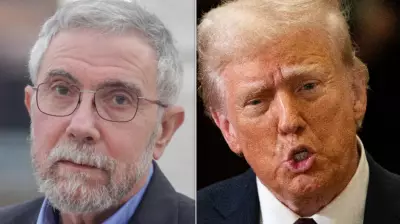
Former President Donald Trump acknowledged calling Israeli Prime Minister Benjamin Netanyahu 'crazy' and stated that Israel is complicating peace negotiations with Iran, according to remarks published Wednesday. The comments, made during a private conversation with donors, were confirmed by a Trump spokesperson and have reignited debate over U.S.-Israel relations.
Trump's Remarks on Netanyahu
Trump reportedly said, 'I called Bibi crazy, because he is. He's making it impossible to get a deal with Iran.' The former president has long criticized Netanyahu's approach to Iran, arguing that Israel's强硬 stance undermines diplomatic efforts. Trump also claimed that his administration's 'maximum pressure' campaign against Iran was more effective than current policies.
Implications for Peace Talks
The revelation comes as international mediators struggle to revive the 2015 Iran nuclear deal. Analysts say Trump's comments could further strain U.S.-Israel ties, already frayed by disagreements over Iran and Palestinian issues. 'This is a significant breach of diplomatic protocol,' said Thomas Warrick, senior fellow at the Middle East Security Initiative. 'Publicly calling an ally's leader crazy undermines trust and complicates negotiations.'

Israel's government declined to comment directly but reiterated its commitment to preventing Iran from acquiring nuclear weapons. Netanyahu's office issued a statement saying, 'Israel will continue to defend itself, regardless of what any American politician says.'
Reactions and Analysis
Some Republican lawmakers defended Trump, arguing that his blunt style reflects the frustrations of many Americans. Others expressed concern about the impact on bipartisan support for Israel. 'This kind of rhetoric is unhelpful and could embolden Iran,' said Senator Lindsey Graham.
Iranian officials seized on the remarks, with Foreign Ministry spokesman Saeed Khatibzadeh tweeting, 'Even Trump admits Netanyahu is crazy. Time for the world to listen.'
The controversy underscores the deep divisions over Iran policy in Washington and the Middle East. As the U.S. presidential election approaches, Trump's comments may resonate with voters who favor a more isolationist approach to foreign affairs.