Eleven years ago, Sweden's employment minister visited Canada to seek advice on integrating immigrants and refugees into the workforce. Today, Sweden is implementing some of the toughest immigration policies in Europe, and Canada might want to return the favor to understand how it all went wrong for the country that once prided itself on being a 'humanitarian powerhouse.'
From Open Borders to Departure Incentives
Sweden has transformed from one of the most welcoming nations for refugees and migrants to offering foreign national adults nearly $51,500 to leave the country. The voluntary repatriation sum, which came into effect in January, rises to $88,200 for a family. This payment is available to 'lawful residents' who agree to return to their country of origin or another country.
Stricter Deportation and Residency Rules
Sweden is also making it easier to deport foreign nationals who commit crimes. Starting in September, any foreign national sentenced to more than a fine will be liable for deportation. Prosecutors are now required to request deportation when an offense constitutes grounds for removal, according to the government's Swedish Migration Agency. Deportations are expected to jump from 500 to 3,000 per year.

In February, Migration Minister Johan Forssell of the ruling centre-right Moderate Party stated, 'Sweden will now have the Nordic region's toughest framework for criminal deportations. Those who come to Sweden and commit crimes have forfeited Swedish hospitality and should be deported.'
A 'good conduct assessment,' expected to come into force in July 2026, will allow residency permits to be revoked for criminality or misconduct, such as failing to comply with laws, posing a security threat, or having unpaid debts.
Citizenship Requirements Tightened
Prospective citizens will face tougher requirements from June. They must have been resident in Sweden for eight years, up from five, and pass a knowledge test on the Swedish language and society. Applicants must also demonstrate 'good conduct' and show they have sufficient income to support themselves.
A Dramatic Shift from Open-Door Policy
These measures mark a significant departure from Sweden's former open-border policy. In 1985, there were 665,600 foreign-born nationals in Sweden, representing 7.8 percent of the population. By last year, that number had risen to 2.2 million, about 20.2 percent.
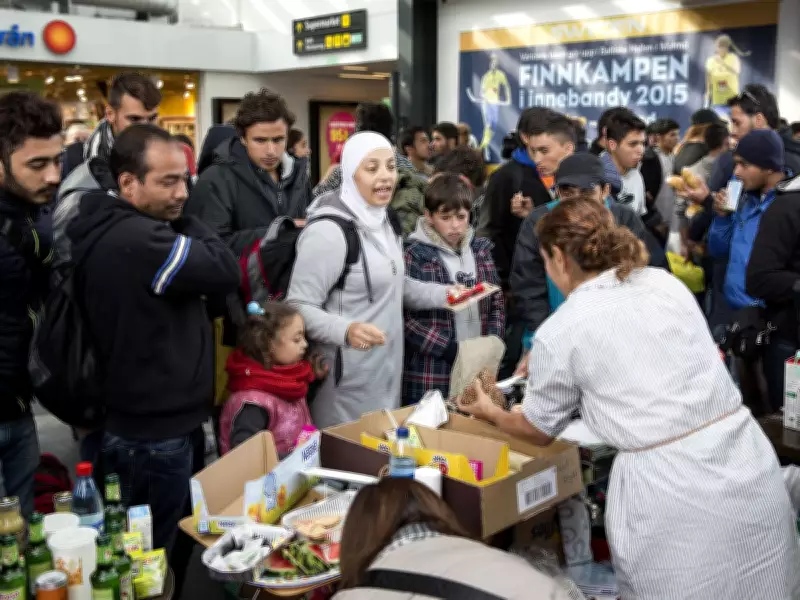
When Swedish employment minister Ylva Johansson visited Canada in 2015, Sweden was still seen as a progressive, liberal nation. That year was the peak of a migrant crisis in Europe, with refugees fleeing wars in Syria, Afghanistan, and Iraq. Sweden opened its doors and saw 163,000 applications for protection, the highest per capita rate in Europe.
Now, the country is implementing some of the continent's strictest immigration policies, a stark contrast to its former humanitarian image.