Supreme Court Appears to Favor Keeping Lisa Cook on Fed Board, Rejecting Trump's Removal Bid
The United States Supreme Court has indicated a strong inclination to uphold the position of Federal Reserve Governor Lisa Cook, effectively rebuffing a legal effort by former President Donald Trump to have her removed from the central bank's board. The justices heard arguments in a high-stakes case that tests the boundaries of presidential authority over independent federal agencies.
A Pivotal Hearing at the Highest Court
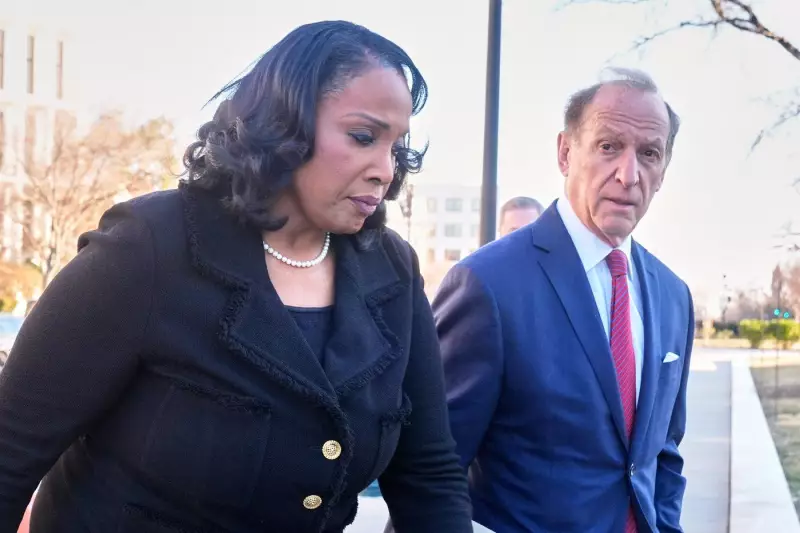
On Wednesday, January 21, 2026, Governor Lisa Cook, accompanied by her attorney Abbe Lowell, arrived at the Supreme Court in Washington, D.C., for oral arguments. The proceedings centered on whether a sitting president possesses the unilateral power to dismiss a Federal Reserve governor before the expiration of their statutory 14-year term, absent a clear finding of cause.
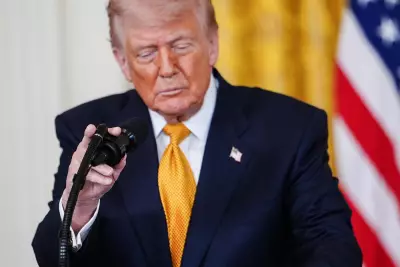
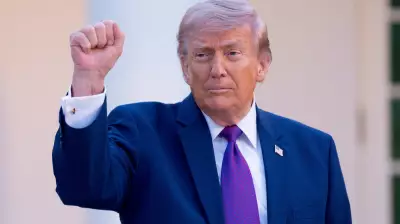
The case stems from actions taken by former President Trump during his previous administration, which sought to oust Cook from her role. Legal observers noted that during the hearing, several justices expressed skepticism toward the arguments presented by Trump's legal team, suggesting a judicial preference for maintaining the Fed's operational independence from direct political interference.

The Stakes for Central Bank Independence
This legal battle carries profound implications for the structure and autonomy of the Federal Reserve, one of the world's most influential financial institutions. A ruling in favor of the former president's position could establish a precedent allowing for greater political sway over monetary policy decisions, potentially undermining the Fed's mandate to pursue stable prices and maximum employment without partisan pressure.
Governor Cook, an economist appointed to the Board of Governors in 2022, has been a vocal advocate for policies addressing economic inequality and labor market disparities. Her potential removal was viewed by many analysts as a politically motivated move, challenging the norms that have traditionally insulated the Fed from overt political manipulation.
Broader Context and Legal Precedents
The Supreme Court's apparent leanings in this case align with historical interpretations of the Federal Reserve Act, which was designed to create a degree of separation between the central bank and the executive branch. Legal experts point to past rulings that have generally upheld the independence of similar regulatory bodies, emphasizing that the removal of officers for purely political reasons could destabilize critical economic institutions.
While the Court has not yet issued a final ruling, the tone of the questioning suggests a majority may rule to keep Cook in her position, reinforcing the principle that Federal Reserve governors serve fixed terms to ensure continuity and credibility in monetary policy. This development is being closely watched by financial markets, policymakers, and legal scholars, as it will define the limits of presidential power over independent agencies for years to come.