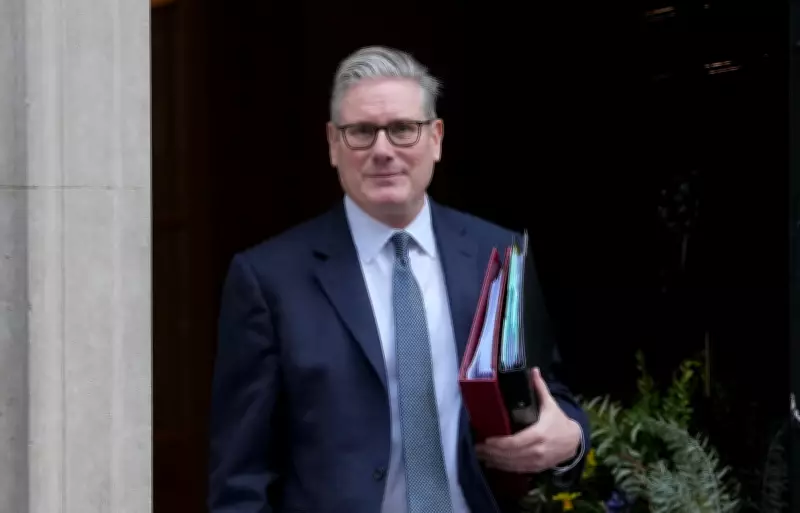
UK Prime Minister Keir Starmer Confronts Another Ministerial Departure
British Prime Minister Keir Starmer has been dealt a significant political blow with the resignation of another minister from his government. This development marks a fresh setback for the Labour leader, who has been navigating a complex political landscape since taking office.
Mounting Challenges for Starmer's Administration
The resignation comes at a critical juncture for Starmer's administration, which has been working to implement its policy agenda amid various domestic and international pressures. While the specific reasons for the minister's departure have not been fully detailed in initial reports, such resignations typically signal internal disagreements or personal decisions that can undermine government stability.
This ministerial exit follows a pattern of political turbulence that has characterized British politics in recent years. Starmer, who became Prime Minister after the Labour Party's electoral victory, has faced the daunting task of uniting his party while addressing the nation's pressing economic and social issues.

Broader Implications for UK Governance
The departure of a government minister inevitably raises questions about leadership cohesion and policy direction. In Westminster politics, such resignations are closely watched by both opposition parties and the public as indicators of potential government weakness or internal discord.
Political analysts suggest that multiple ministerial changes in a relatively short period can disrupt government operations and divert attention from policy implementation. For Starmer, who has positioned himself as a steady hand following years of political volatility, this latest resignation represents an unwelcome distraction from his legislative agenda.
Context of Recent Political Developments
The resignation occurs against a backdrop of significant global events, including international conflicts and economic uncertainties that have tested governments worldwide. However, domestic political stability remains crucial for effective governance, particularly when addressing long-term challenges such as economic recovery and public service reform.
As Prime Minister Starmer prepares for upcoming parliamentary sessions and continues to face scrutiny at Prime Minister's Questions, the composition of his ministerial team will be under increased examination. The ability to maintain a united front while managing internal party dynamics will be essential for his government's longevity and effectiveness.
This development serves as a reminder of the fragile nature of political leadership and the constant balancing act required to maintain government cohesion while pursuing ambitious policy goals in a divided political environment.