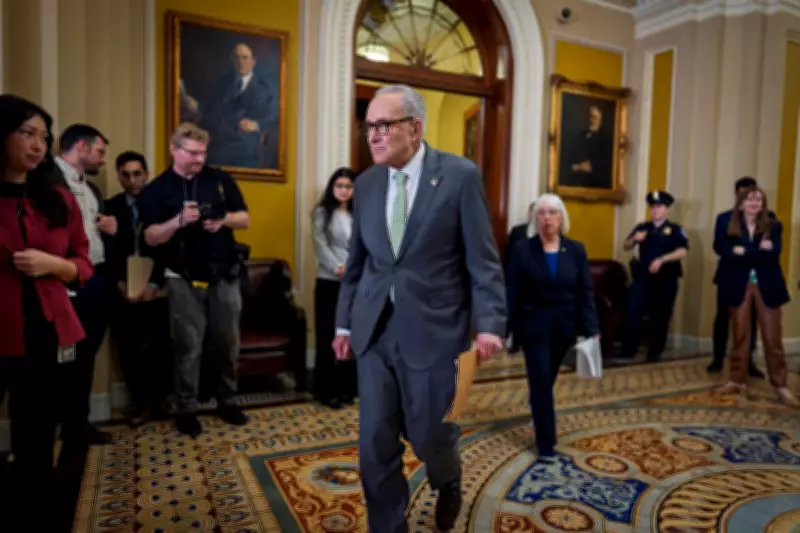
Senate Republicans Reject Bill to Stop Iran War in First Congressional Vote
In a pivotal development, U.S. Senate Republicans have voted down legislation designed to halt American military involvement in the Iran conflict. This vote represents the first formal congressional action on the war, underscoring deep political divisions over the escalating situation in the Middle East.
Key Details of the Legislative Vote
The proposed bill sought to impose restrictions on U.S. military operations against Iran, aiming to curb further escalation. However, Republican opposition effectively blocked its passage, with critics arguing it would undermine national security and presidential authority during an ongoing crisis.
This congressional vote comes amid heightened tensions, as the U.S. has signaled an expanded military campaign against Iran. Recent statements from officials, including former President Trump, have emphasized actions to counter perceived nuclear threats, describing Iran as "a nation that's out of control."

Broader Context and International Reactions
The vote occurs against a backdrop of international uncertainty. NATO ally Turkey has been targeted as the conflict widens, raising concerns about broader regional instability. In Canada, officials like Carney have commented on potential involvement, noting that participation "can never categorically be ruled out," though pressure for entanglement persists.
Foreign Affairs Minister Anand has urged NATO to shift focus northward, highlighting global strategic concerns. Meanwhile, domestic protests, such as demonstrations in Toronto against policy changes, reflect public unease amid the war's fallout.
Political and Security Implications
The Senate's decision reinforces the executive branch's current military strategy, with operations like 'Operation Epic Fury' being defended as necessary to combat terrorism. However, it also sparks debate over congressional oversight and the long-term trajectory of U.S. foreign policy in the Middle East.
As the conflict continues, with incidents like rising gas prices and humanitarian crises, this vote sets a precedent for future legislative battles. It highlights the challenges in balancing security imperatives with diplomatic and constitutional checks in a volatile geopolitical landscape.