Russian Oil Tanker Docks in Cuba as U.S. Sanctions Fuel Humanitarian Debate
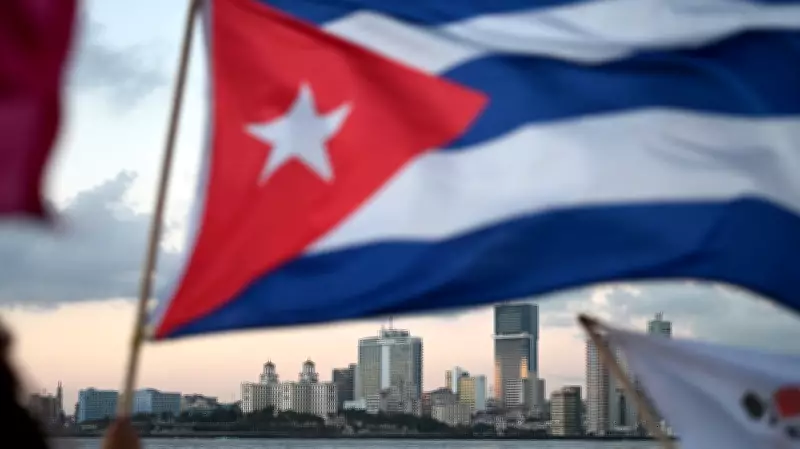
Cuba is poised to receive a significant shipment of oil from a sanctioned Russian tanker, marking the first such delivery this year to an island grappling with severe energy shortages due to a U.S. blockade. The Russian-flagged vessel Anatoly Kolodkin is carrying approximately 730,000 barrels of oil, with its final destination set for the port of Matanzas, a strategic hub for Cuba's fuel imports.
Conflicting Reports on Tanker's Arrival
While the Russian Transport Ministry and Cuban state media reported the tanker's arrival, ship-tracking data indicated it was still navigating Cuban waters, with an estimated docking time of Tuesday. This delivery comes amid a backdrop of geopolitical tensions, as the United States has effectively cut off Cuba from key oil shipments in an effort to force regime change.
U.S. Response and Humanitarian Considerations
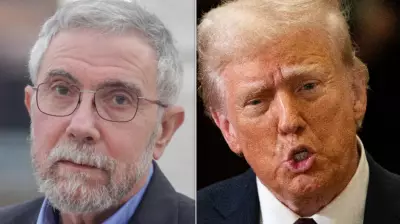
U.S. President Donald Trump stated on Sunday that he had "no problem" with the Russian oil tanker delivering relief to Cuba, emphasizing that it would not significantly aid Russian President Vladimir Putin. Kremlin spokesperson Dmitry Peskov confirmed that Russia had discussed the shipment with the U.S., asserting, "Russia considers it its duty not to stand aside, but to provide the necessary assistance to our Cuban friends."

White House press secretary Karoline Leavitt clarified that the decision to allow the Russian vessel was made on a case-by-case basis for humanitarian reasons, noting no firm change in U.S. sanctions policy. The tanker is expected to produce about 180,000 barrels of diesel, enough to meet Cuba's daily demand for nine or ten days, offering a brief respite from islandwide blackouts that have crippled hospitals and public transport.
Impact of U.S. Blockade on Cuba
The U.S. oil blockade has had devastating effects on Cuban civilians, exacerbating an energy crisis that has left many desperate for basic resources. Cuba currently produces only 40% of its required fuel, relying heavily on imports to sustain its energy grid. In response, Mexico has shifted from sending oil to providing humanitarian aid, such as food and hygiene products, after being forced to halt shipments under the threat of U.S. tariffs.
Geopolitical Tensions and Future Prospects
Mexican President Claudia Sheinbaum commented that her country will continue sending aid and is working with Cuban authorities to potentially trade oil in the future. She noted that private entities in Cuba, including hotels, have approached Mexico's state-owned oil company for fuel supplies, with these requests under review. This situation highlights Cuba's role in a longstanding geopolitical tug-of-war between the U.S. and Russia, further complicated by international sanctions following Russia's invasion of Ukraine.
The Anatoly Kolodkin is among multiple vessels sanctioned by the U.S., European Union, and United Kingdom for carrying Russian oil. As Cuba navigates these challenges, the arrival of the Russian tanker underscores the ongoing humanitarian and political complexities in the region.