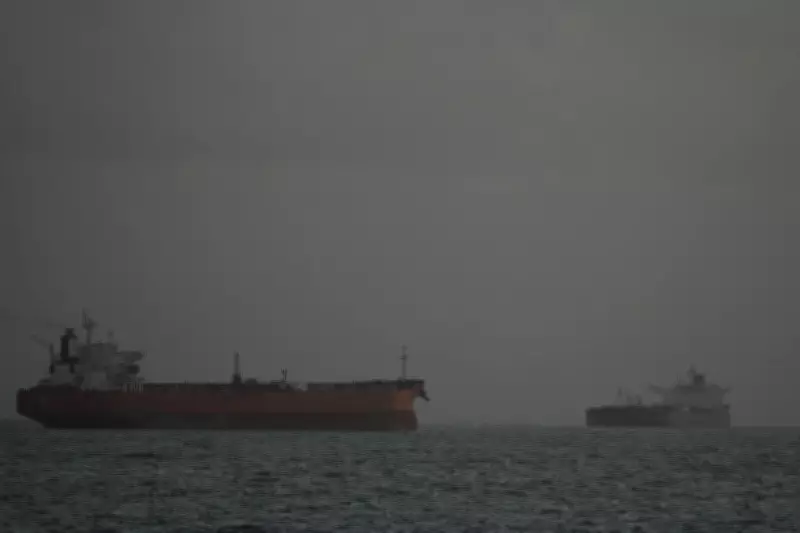
In a significant development that underscores the complex geopolitical landscape, a Russian-flagged oil tanker has docked in Cuba, managing to proceed despite the stringent U.S. energy blockade. The vessel, identified as the Anatoly Kolodki, arrived at the port of Matanzas, Cuba, on Tuesday, March 31, 2026, as confirmed by Associated Press reports and photographic evidence.
Navigating Through Sanctions
The successful docking of the Anatoly Kolodki represents a direct challenge to the United States' efforts to isolate Russia economically following its actions in Ukraine. The U.S. has imposed extensive sanctions, including an energy blockade aimed at curtailing Russia's oil exports. However, this incident demonstrates that Russian vessels can still find pathways to deliver crucial resources to allied nations.
Cuba, which has long faced economic hardships exacerbated by U.S. embargoes, relies heavily on imported oil to meet its energy needs. The arrival of the Russian tanker is likely to provide a temporary respite for the island nation, which has been grappling with fuel shortages and power outages in recent years.

Implications for Regional Dynamics
This event is poised to have far-reaching implications for regional politics and international relations. It highlights the limitations of unilateral sanctions and the ability of targeted countries to forge alternative alliances. The docking may also strain U.S.-Cuba relations further, as Washington views such transactions as undermining its foreign policy objectives.
Experts suggest that this move could embolden other nations to seek similar arrangements with Russia, potentially weakening the global impact of U.S.-led sanctions. Additionally, it raises questions about the enforcement mechanisms of the energy blockade and whether more vessels will attempt similar journeys in the future.
Broader Context and Reactions
The incident occurs against a backdrop of escalating tensions between Russia and Western powers. While the U.S. has not issued an immediate statement regarding this specific docking, it is expected to reiterate its stance on enforcing sanctions. Meanwhile, Cuban authorities have likely welcomed the shipment as a necessary measure to sustain their economy.
Observers note that such deliveries are not entirely unprecedented, but they gain heightened significance in the current geopolitical climate. The ability of Russian ships to navigate to Cuban ports despite surveillance and pressure tactics underscores the challenges in maintaining comprehensive economic barriers.
As the situation unfolds, it will be crucial to monitor any responses from the U.S. government and international bodies. This event may prompt discussions on the efficacy of energy blockades and the strategies employed by nations to circumvent them, shaping future policy decisions in an increasingly multipolar world.