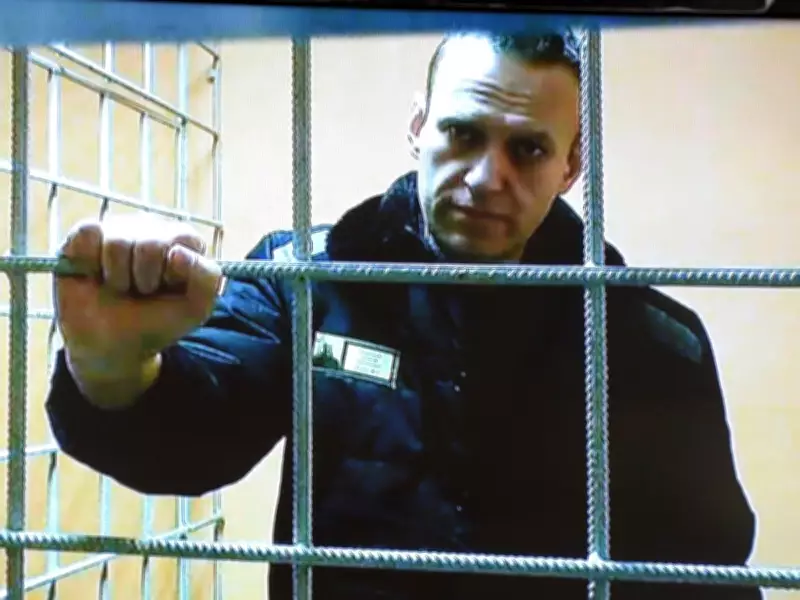
Russia Dismisses European Allegations of Navalny Poisoning as Unfounded
The Kremlin has issued a firm rebuttal to claims from five European countries that Russian opposition leader Alexei Navalny died from poisoning two years ago in an Arctic prison. Kremlin spokesperson Dmitry Peskov stated during a daily briefing that Russia "strongly rejects" these accusations, labeling them as "biased and baseless." This response comes as supporters gathered to commemorate the anniversary of Navalny's death in February 2024.
European Nations Point to Poison Dart Frog Toxin
In a joint statement released on Saturday, Britain, Sweden, France, Germany, and the Netherlands asserted that Navalny was poisoned with epibatidine, a toxin derived from poison dart frogs. The countries argued that the Russian state possessed the "means, motive, and opportunity" to administer the substance. Epibatidine is known to cause muscle paralysis and eventual asphyxiation, raising serious questions about the circumstances of Navalny's demise.
Navalny's Legacy and Ongoing Controversy
Alexei Navalny, a charismatic anti-corruption campaigner and Yale-educated lawyer, was President Vladimir Putin's most prominent domestic critic for years. He mobilized hundreds of thousands of Russians in protests against the government. Navalny died while serving a 19-year sentence for "extremism" in an Arctic prison colony, a charge he and his supporters denounced as politically motivated retaliation for his opposition activities.

This incident is not the first time Navalny faced poisoning allegations. In 2020, he survived a suspected attack with the Novichok nerve agent, which drew international condemnation and heightened scrutiny of his safety in custody.
Family Reactions and Calls for Justice
Navalny's mother, Lyudmila Navalnaya, expressed vindication upon hearing the European statement, declaring that it confirmed her belief that her son was murdered rather than having died naturally. She called for accountability, emphasizing the need for justice within Russia. Similarly, Navalny's widow, Yulia Navalnaya, stated that laboratory analysis of smuggled biological samples provided scientific proof of poisoning, reinforcing her earlier claims from September.
Commemoration and Political Tensions
On Monday, dozens of individuals, including foreign diplomats, visited Navalny's grave in Moscow to honor his memory. Some attendees wore masks or scarves to conceal their identities, reflecting the ongoing risks associated with publicly supporting Navalny. Russian authorities have designated Navalny and his organization as "extremist," making any mention of him or his anti-corruption foundation potentially prosecutable.
The European allegations and Russia's dismissal underscore the deep political divisions and human rights concerns surrounding Navalny's death. As investigations and diplomatic tensions continue, the case remains a focal point in international relations and domestic Russian politics.