Russia Denies Evidence of Iranian Nuclear Weapons Development Amid Global Tensions
In a significant diplomatic statement, Russia has declared that it has observed no evidence indicating Iran is developing nuclear weapons. This announcement comes amidst escalating conflicts in the Middle East and growing international concerns over regional stability. The Russian position, articulated by officials in Moscow, contrasts with longstanding suspicions from Western nations regarding Iran's nuclear ambitions.
Global Context and Economic Implications
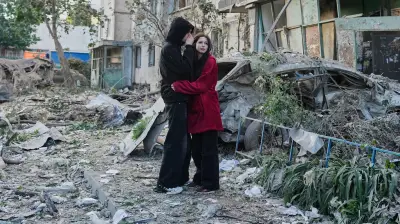
The timing of Russia's statement is critical, as recent military exchanges between Israel and Iran have heightened fears of a broader regional war. These tensions have already triggered economic repercussions, including surges in crude oil and fuel prices due to tanker disruptions and facility shutdowns. Energy markets are particularly volatile, with analysts warning that further escalation could destabilize global supply chains and inflate costs for consumers worldwide.
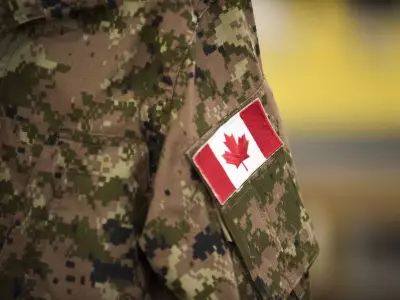
Moreover, the conflict has prompted travel advisories, with Canadians urged to avoid all travel to ten countries in the Middle East as violence spreads. This reflects the far-reaching impact of the hostilities, affecting not only local populations but also international relations and safety protocols.

Russian Perspective and International Relations
Russia's stance on Iran's nuclear program is consistent with its broader foreign policy, which often positions it at odds with Western allies. By denying evidence of weapons development, Moscow may be aiming to bolster its diplomatic ties with Tehran and assert its influence in the region. This move could complicate international efforts to monitor or restrict Iran's nuclear activities, potentially leading to renewed debates in forums like the United Nations.
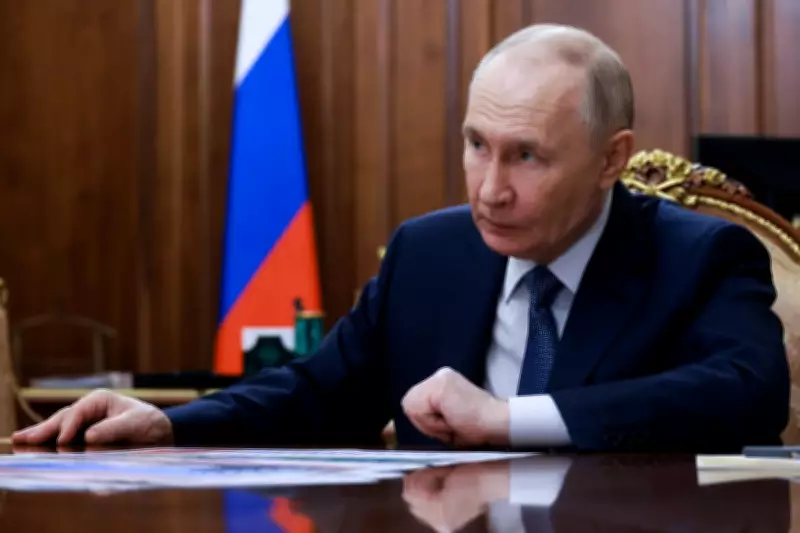
In related news, Russian President Vladimir Putin has been active in domestic matters, as seen in recent meetings with Moscow officials. However, his government's foreign policy decisions, such as this statement on Iran, continue to shape global geopolitical dynamics. The lack of evidence cited by Russia may challenge intelligence assessments from other countries, highlighting divisions in how international threats are perceived and addressed.
Broader Impacts on Society and Security
Beyond nuclear concerns, the Middle East conflict has sparked diverse reactions globally. In Canada, for instance, Iranian diaspora communities are reflecting on the crisis, with some expressing fear and division over military actions. Meanwhile, authorities worldwide are grappling with related security issues, such as digital fraud surges and online threats, underscoring how regional conflicts can amplify other risks.
As tensions persist, experts emphasize the importance of navigating distressing news stories and finding coping mechanisms. The psychological toll of prolonged conflicts, combined with economic uncertainties, poses challenges for public health and community resilience. In this context, Russia's statement may offer a temporary diplomatic reprieve, but underlying issues remain unresolved, keeping the world on alert for further developments.