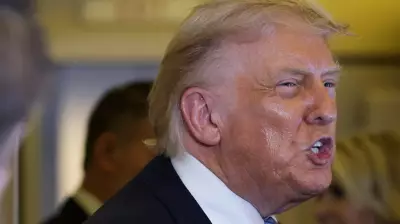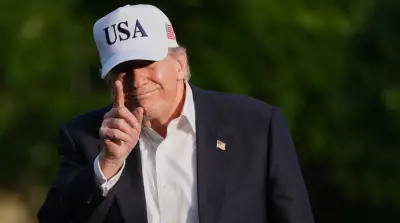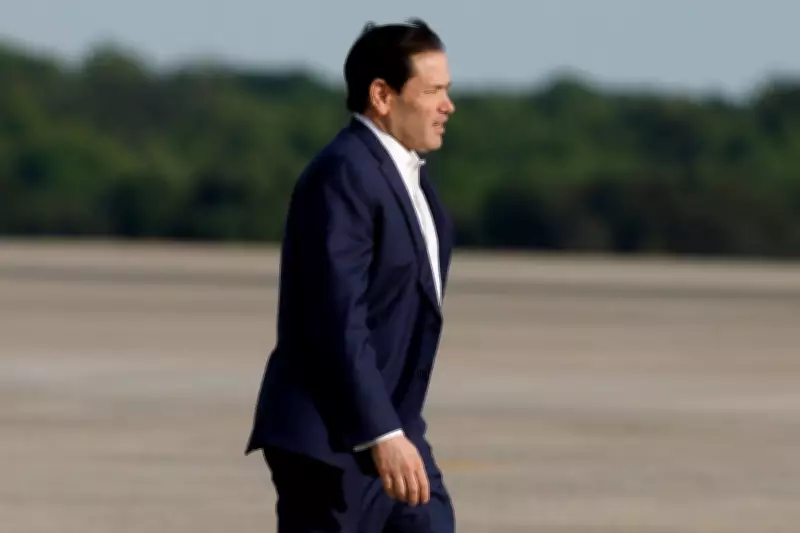
Secretary of State Marco Rubio is heading to a NATO foreign ministers meeting as European allies grow increasingly anxious about U.S. reliability under President Trump, the status of American troops in Europe, and escalating tensions with Iran. The meeting, scheduled for later this week, comes at a time of heightened transatlantic friction, with European leaders expressing deep concern over Washington's commitment to collective defense and its approach to critical security issues.
European Concerns Over U.S. Commitment
European diplomats have voiced unease about President Trump's repeated threats to withdraw U.S. forces from Europe and his administration's reluctance to reaffirm Article 5, the alliance's mutual defense clause. This has fueled fears that the U.S. might not come to the aid of allies in the event of an attack. The situation is further complicated by Trump's recent statements questioning the value of NATO and his administration's push for European allies to increase defense spending.
Iran Tensions Add to Friction
In addition to NATO concerns, the Trump administration's aggressive stance toward Iran has alarmed European partners, who worry that a military confrontation could destabilize the region and trigger a broader conflict. The U.S. withdrawal from the Iran nuclear deal and subsequent imposition of sanctions have already strained relations with European signatories. Rubio is expected to address these issues during the meeting, seeking to reassure allies while maintaining the administration's hardline position.

The meeting also comes amid reports that the U.S. is considering reducing its troop presence in Europe, a move that would significantly alter the alliance's defense posture. European leaders argue that such a reduction would undermine deterrence against Russia and leave the continent vulnerable. Rubio's task is to balance these concerns with the administration's priorities, including burden-sharing and a focus on strategic competition with China.
Analysts suggest that the outcome of the meeting could have lasting implications for NATO's unity and effectiveness. While Rubio is expected to emphasize the U.S. commitment to the alliance, his ability to address European anxieties will be crucial in maintaining trust. The meeting also provides an opportunity for allies to coordinate on Iran policy, though significant differences remain.
As Rubio departs for Brussels, the stakes are high. European angst over U.S. reliability, troop levels, and Iran is at a peak, and the Secretary of State's diplomatic skills will be tested. The meeting is seen as a critical moment for transatlantic relations, with potential consequences for global security.