Readers React: Trump's Gaza Vision, Gun Buybacks, and Canadian Defense
In a collection of letters to the editor published on January 25, 2026, National Post readers offer sharp commentary on pressing issues, from Donald Trump's hypothetical plans for Gaza to domestic Canadian policies on firearms and national defense. These perspectives blend satire, criticism, and practical suggestions, reflecting diverse viewpoints on current events.
Satirical Take on Trump's Corporate Gaza Plan
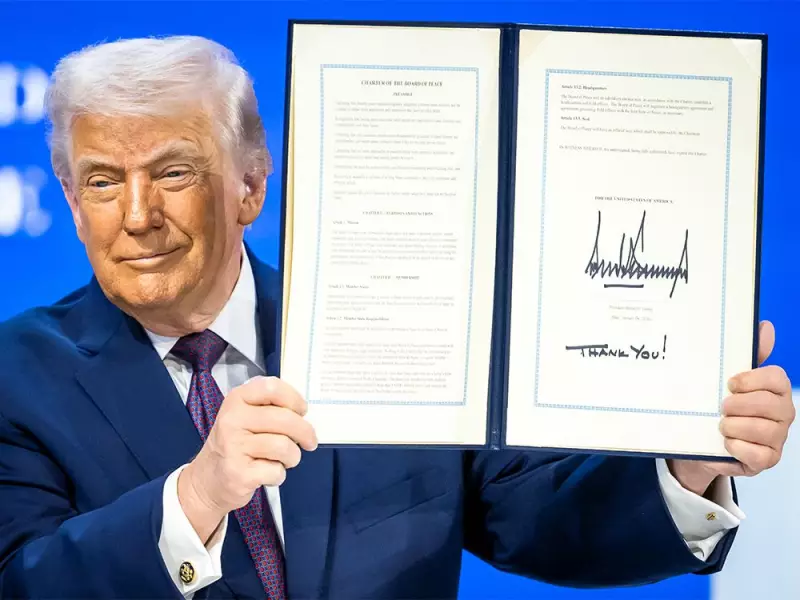
One letter, penned satirically by Tom Curran of Consecon, Ontario, imagines a world where U.S. President Donald Trump announces the creation of a new nation called Trumpland. According to this fictional scenario, Trumpland occupies the area formerly known as Gaza in the Middle East. It is described as a state governed and owned by a private corporation, with board members each paying US$1 billion for a seat.
In this satirical vision, Trump serves as the chairman and CEO for life, wielding the power to appoint successors, invite new board members, and remove existing ones at his discretion. The letter suggests that Trumpland, once home to an Arab population under Iranian-funded proxy rule, would be transformed into a luxury destination rivaling the Riviera and Amalfi Coast. It would feature high-end resorts, casinos, hotels, and golf courses, with investors including figures like Vladimir Putin and various billionaires.

The narrative posits that corporate-owned nations existing solely for profit represent the highest and best use for land, with Gaza seen as an incredible bargain. Plans include hiring civic planners from Dubai for expert advice, though Chairman Trump is expected to be hands-on. Expropriations are anticipated within two years, offering landowners jobs in service roles or relocation tickets. While no IPO is announced, insiders hint at one within five years, and Trumpland aims to replace the United Nations, viewed as a relic in Trump's worldview.
Critique of Liberal Gun Buyback Program
Another letter, from Paul Clarry of Aurora, Ontario, addresses the Liberal government's gun buyback initiative, labeling it a lottery that no one can win. Clarry argues that registering for the program forces law-abiding firearm owners to surrender legally-acquired guns without a guarantee of payment or fair market value, effectively describing it as theft.
He contends that this approach fails to address the root causes of criminal shootings in Canada, which continue unabated. According to Clarry, the policy is driven more by ideology than common sense, leaving the general public at a loss. This critique highlights ongoing debates over gun control and public safety in Canada.
Proposal to Strengthen Canadian Reserves
In a related suggestion, the letter proposes a solution to long-term defense challenges. It notes that Canada has many licensed and responsible gun owners who could be leveraged to address personnel shortages in the Armed Forces. By offering additional training, these individuals could join a formal militia under Reserve authority, ready to defend Canadian soil or ice if attacked.
The proposal emphasizes that some gun owners legally possess military-style firearms, which could prove valuable in national defense scenarios. This idea frames firearm ownership not just as a personal right but as a potential asset for bolstering Canada's security infrastructure.
Broader Context and Reader Engagement
These letters are part of a broader series of reader submissions, including discussions on topics like Greenland and Canada facing common foes and Trump's consideration of options. They showcase how public discourse in Canada engages with both international satire and domestic policy critiques.
The responses underscore a mix of humor, concern, and innovation, as Canadians weigh in on global figures like Trump and local issues such as gun control and military readiness. By blending satire with serious analysis, these letters contribute to a vibrant dialogue on the intersection of politics, security, and society.