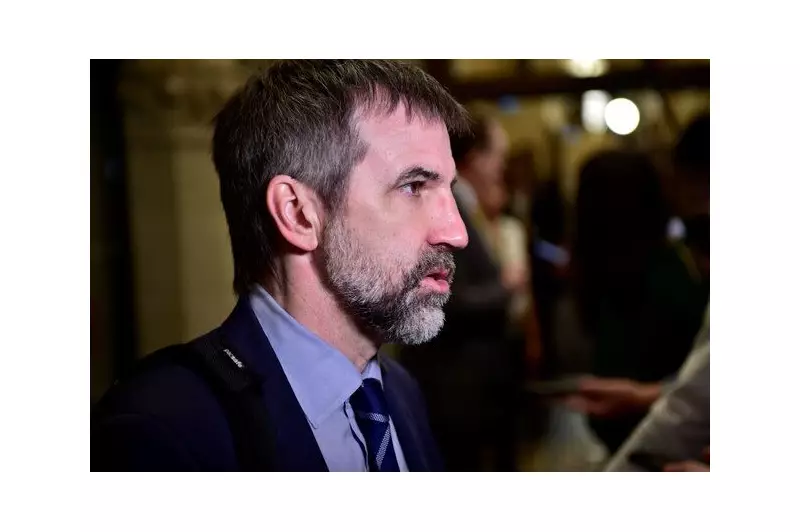
Former federal cabinet minister Steven Guilbeault's recent assertion that a new oil pipeline agreement is reigniting Quebec separatist sentiment is strongly contradicted by public opinion data, analysis shows.
The Controversial Claim
In interviews following his resignation from Prime Minister Mark Carney's cabinet, the former Heritage Minister argued that a memorandum of understanding (MOU) between the federal government and Alberta Premier Danielle Smith is damaging national unity. Guilbeault, a former Greenpeace activist, stated the deal to build an oil pipeline to British Columbia is "fuelling the separatist movement" in Quebec by appearing to abandon climate goals.
However, this perspective is not shared by the majority of Quebec residents. A recent Leger poll indicates that two-thirds of Quebecers oppose separation, with only one-third in favour.

Quebec's Real Priorities
Polling conducted after the MOU was signed reveals Quebecers are focused on the same pressing issues as other Canadians. An Angus Reid survey found their top concerns are the cost of living and inflation (59%), health care (46%), and housing affordability (30%). Environmental issues and climate change, while slightly higher than the national average, trail as a concern at 23%.
Furthermore, only 28% of Quebecers desire a referendum by 2030, and 55% doubt Quebec possesses the necessary financial and economic resources for independence. The rise of the Parti Québécois in polls, whose leader has promised a referendum if elected, occurs despite these underlying public sentiments.
Limited Political Influence
Data also suggests Guilbeault's influence on this issue is minimal. According to Abacus Data CEO David Coletto, only 25% of Quebecers hold a positive view of Guilbeault, giving him a net positive rating of just +6% in the province. In contrast, Prime Minister Mark Carney is viewed positively by 48% of Quebecers, with a net rating of +25.
National polling on the pipeline MOU itself shows 55% support across Canada. While support in Quebec is lower at 42%, Quebecers largely mirror the national view on its implications for leadership. Specifically, 52% of Quebecers see the MOU as a worthwhile compromise for economic gain, similar to 54% of all Canadians. Only 28% in Quebec view it as a betrayal of Carney's previous environmental stances.
The Path Forward and Political Reality
The Abacus poll concludes that a majority of Canadians, including over half in Quebec, believe the country can simultaneously pursue energy development and climate goals. The proposed pipeline from Alberta to B.C. tidewater still faces significant hurdles before becoming reality.
Analysts note that Guilbeault's comments and subsequent resignation provide a clear test of public opinion on balancing economic and environmental interests. The data indicates his warning about surging separatist sentiment due to the pipeline deal does not reflect mainstream Quebec opinion. The episode highlights that, for most Quebecers, kitchen-table issues outweigh constitutional debates stirred by the energy policy agreement.