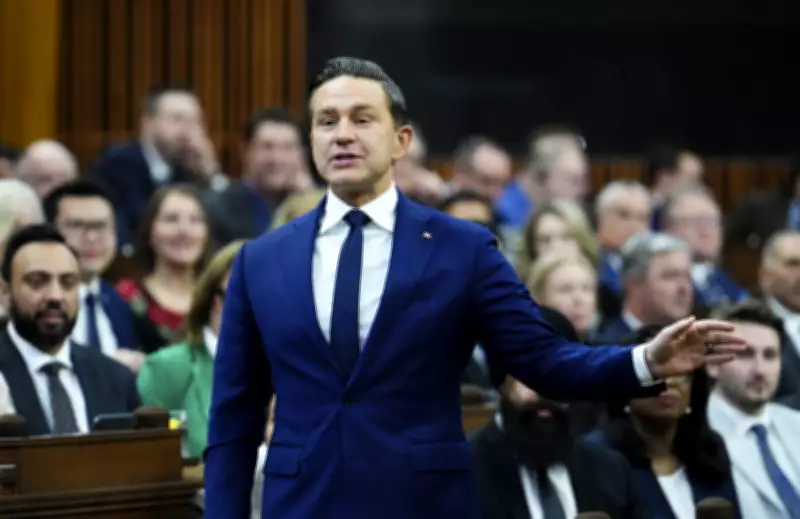
The recent byelection involving Conservative Leader Pierre Poilievre has resulted in a substantial financial burden on taxpayers, with costs exceeding $2.3 million. This expenditure has ignited debates over the fiscal implications of political processes and the allocation of public funds.
Financial Breakdown of the Byelection
Detailed reports indicate that the byelection, which saw Pierre Poilievre's participation, required extensive resources, including logistics, staffing, and security measures. The total cost, surpassing $2.3 million, reflects the high stakes and operational demands of modern electoral campaigns. Analysts note that such expenses are not uncommon in competitive races, but this figure has drawn particular scrutiny due to its magnitude and timing amid broader economic concerns.
Public Reaction and Political Implications
Public response to the news has been mixed, with some citizens expressing frustration over the use of taxpayer money for political events, while others argue that democratic processes necessitate such investments. Political opponents have seized on the issue to question fiscal responsibility, whereas supporters of Poilievre emphasize the importance of robust electoral systems. This controversy underscores ongoing tensions between governance costs and public accountability in Canada's political landscape.

Comparative Analysis with Past Elections
When compared to previous byelections, this event's cost appears elevated, though factors like inflation, security enhancements, and campaign scale contribute to the difference. Experts suggest that rising expenses in politics may prompt future reforms to increase transparency and efficiency in electoral spending. The debate extends beyond this single instance, touching on broader themes of electoral integrity and financial oversight in democratic institutions.
In summary, the byelection involving Pierre Poilievre has highlighted significant taxpayer expenditures, fueling discussions on the balance between democratic necessities and fiscal prudence. As political dynamics evolve, this case may influence policy adjustments aimed at optimizing electoral costs without compromising the integrity of the democratic process.