Phoenix Pay System Errors Continue to Plague Canadian Public Service a Decade After Launch
A decade after its controversial implementation, the Phoenix Pay System remains a source of frustration and financial hardship for thousands of Canadian public servants. The system, which was intended to modernize and streamline payroll operations for federal employees, has instead become synonymous with persistent errors, underpayments, overpayments, and missed payments.
A Legacy of Systemic Failures
Launched in 2016, the Phoenix system was plagued by problems from the outset. Despite numerous attempts at fixes and substantial financial investments, many public servants continue to report ongoing pay issues. These range from incorrect salary amounts to missing overtime payments and problematic tax deductions, creating significant stress and uncertainty for affected workers and their families.
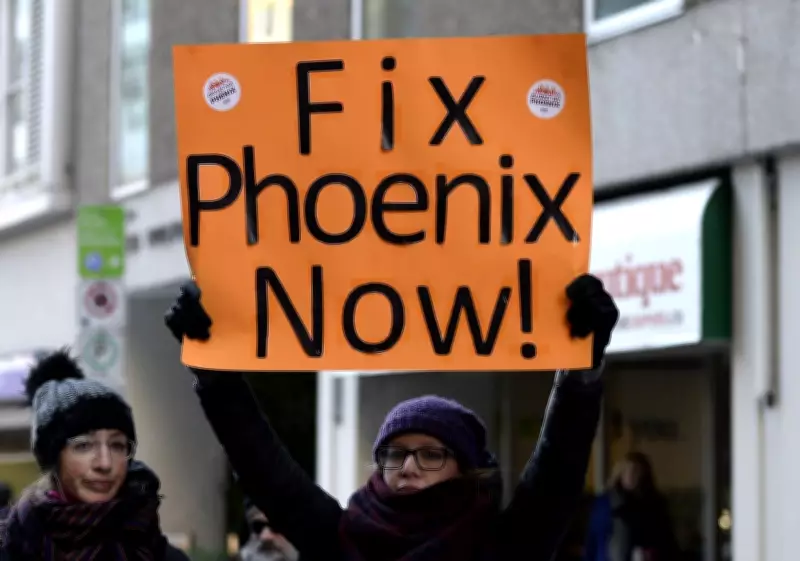
The Public Service Alliance of Canada (PSAC) has been vocal about the system's failures, organizing protests and rallies to draw attention to the ongoing problems. In February 2019, PSAC members gathered on Laurier Avenue in Ottawa to mark the three-year anniversary of the system's launch, highlighting how little progress had been made in resolving fundamental payroll issues.

Financial and Human Costs Mount
The financial impact of the Phoenix debacle has been substantial, with the federal government spending billions of dollars attempting to fix the system and compensate affected employees. Beyond the monetary costs, the human toll has been significant, with many public servants reporting stress-related health issues, damaged credit ratings, and strained personal relationships due to ongoing pay uncertainties.
"What began as a technological modernization project has evolved into one of the most expensive and damaging administrative failures in Canadian government history," noted one public administration expert. "The fact that these issues persist a full decade after launch speaks to fundamental flaws in both the system design and the government's approach to resolving them."
Looking Toward Solutions
As the system enters its second decade of operation, questions remain about whether a complete replacement might be necessary. Some experts argue that the Phoenix system's underlying architecture may be fundamentally flawed, requiring a fresh start rather than continued attempts at patching existing problems.
The ongoing challenges with Phoenix have also prompted broader discussions about government procurement practices, technological implementation in public service, and the need for more robust testing and contingency planning for major system rollouts. These lessons could prove valuable as governments at all levels continue to digitize and modernize their operations.
For the thousands of public servants still affected by Phoenix pay errors, the immediate concern remains receiving accurate and timely compensation for their work. As the system marks its tenth anniversary, many are hoping for meaningful resolution rather than another year of uncertainty and administrative headaches.