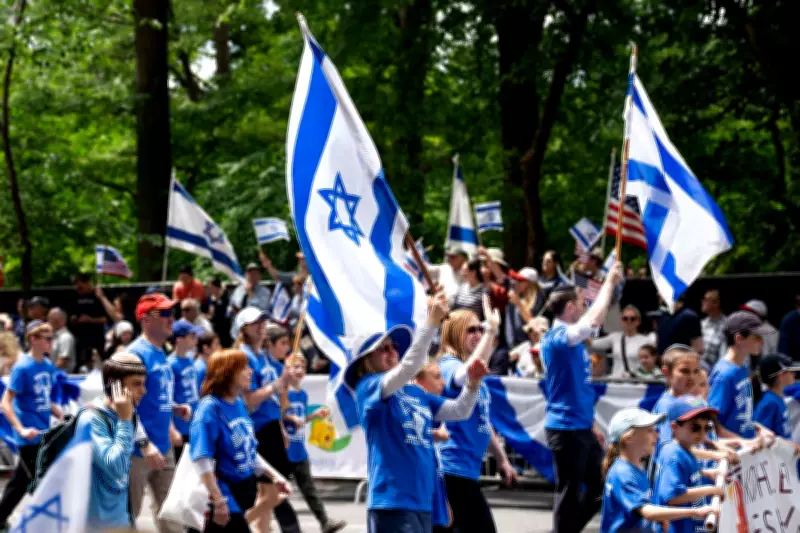
New York City Mayor Zohran Mamdani opted not to attend the annual Israel Day Parade on Sunday, May 31, 2026, but pledged a significant police presence to ensure safety during the event. The parade, a longstanding tradition celebrating Israeli culture and heritage, drew thousands of participants waving flags along the parade route.
Mayor's Decision Draws Mixed Reactions
Mamdani's absence from the parade has generated diverse responses from community leaders and residents. Supporters argue that the mayor's focus on public safety through increased police deployment demonstrates his commitment to security without personal endorsement of the event's political undertones. Critics, however, view the decision as a slight to the Jewish community and a missed opportunity for solidarity.
Police Presence Emphasized
In a statement released prior to the parade, Mayor Mamdani emphasized that the New York Police Department (NYPD) would deploy additional officers along the parade route and surrounding areas. "New York City is committed to protecting the rights of all its residents to peacefully assemble and celebrate," the statement read. "We have coordinated closely with parade organizers to ensure a safe and orderly event."

The NYPD confirmed that no major incidents were reported during the parade, which proceeded without disruption. Officers were stationed at key intersections and crowd gathering points, with a visible presence aimed at deterring potential unrest.
Context of the Parade
The Israel Day Parade has historically been a source of both celebration and controversy in New York City. Supporters view it as a vibrant expression of Jewish identity and support for Israel, while critics often protest what they see as a celebration of Israeli policies in Palestinian territories. This year's parade took place amid heightened tensions globally, prompting increased security measures.
Mayor Mamdani's decision to skip the parade aligns with his previous stances on Middle East policy. Since taking office, he has advocated for a balanced approach, calling for dialogue and peaceful resolution of conflicts. His absence from the parade, however, marks a notable departure from predecessors who typically attended or sent high-level representatives.
Community Voices
Leaders from Jewish organizations expressed disappointment but acknowledged the mayor's security assurances. "While we would have welcomed the mayor's presence, we appreciate his commitment to ensuring the safety of all participants," said a spokesperson for the Jewish Community Relations Council. Others, however, called the move a "snub" that undermines the city's relationship with its Jewish constituents.
In contrast, pro-Palestinian groups praised Mamdani's decision, viewing it as a step toward recognizing diverse perspectives within the city. "The mayor's absence sends a message that he is listening to all communities, not just those with political clout," said an activist from a local advocacy group.
Broader Implications
The incident highlights the ongoing challenges New York City faces in balancing support for various cultural and political events while maintaining public order. Mayor Mamdani's approach may set a precedent for how future administrations handle similar situations, particularly those with potential for controversy.
As the parade concluded without incident, the focus now shifts to the mayor's upcoming engagements and whether he will address the criticism directly. For now, the city remains divided on the symbolism of his absence, but united in the peaceful outcome of the event itself.