New York Times Issues Strong Defense of Veteran Reporter Following Presidential Criticism
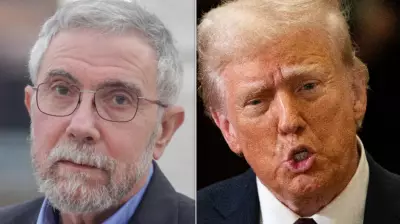
The New York Times launched a forceful defense of its longtime correspondent David E. Sanger on Sunday after President Donald Trump attacked the journalist on his Truth Social platform. Trump labeled Sanger a "lightweight analyst" from what he called a "Failing" newspaper that "always gets it wrong." This public rebuke came in response to Sanger's detailed analysis of the president's shifting position on military engagement with Iran.
Sanger's Analysis Points to Strategic Retreat in Iran Policy
David E. Sanger, a correspondent with more than four decades of experience covering foreign affairs and Washington politics, published a nine-paragraph examination of a Trump Truth Social post from Friday. In that post, Trump claimed the United States had nearly achieved its objectives against Iran and was "winding down our great Military efforts in the Middle East." Sanger's article, titled "Trump Signals Retreat From Goal of Regime Change in Iran," concluded that the president appeared to be abandoning previous intentions to overthrow the Iranian government and completely dismantle its nuclear fuel capabilities.
The analysis highlighted a significant contradiction in the administration's messaging. While Trump publicly discussed scaling back military operations, Sanger noted the president was simultaneously attempting to secure congressional approval for a substantial $200 billion war budget supplement. This request comes amid rising gasoline prices and growing Republican concerns about potential economic backlash from prolonged military engagement.

Times Spokesperson Emphasizes Journalistic Integrity and Experience
In a robust statement posted on X, New York Times spokesperson Charlie Stadtlander defended Sanger's work and reputation. "David Sanger brings more than 40 years of experience as a foreign and Washington correspondent for The Times — and a reputation for non-partisanship — to his work," Stadtlander wrote. "His piece is a fair and thorough analysis of what the U.S. military and American diplomats have and have not accomplished so far, and helps the country understand the state of the war and the president's choices going forward."
The spokesperson emphasized that Sanger's reporting represented "exactly the type of analysis an independent journalist is supposed to be doing," positioning the newspaper's defense as a matter of journalistic principle rather than personal dispute.
Contradictory Messaging Creates Confusion About Military Strategy
Trump's mixed signals regarding the Iran conflict have been an ongoing theme since the United States initiated military action against Iran on February 28. While the president claims operations are winding down, his administration has deployed thousands of Marines to the Middle East with indications that additional troops may follow. This apparent contradiction between rhetoric and military deployment has created confusion about the administration's actual strategic objectives.
Further complicating the situation, a HuffPost report on Sunday indicated that the growing possibility of a ground operation in Iran has disillusioned military personnel who are losing confidence in the war's direction. This internal military concern adds another layer to the complex narrative surrounding U.S. engagement in the region.
The confrontation between the president and the newspaper underscores broader tensions between the administration and established media institutions, while highlighting the challenges of reporting on evolving military strategies amid contradictory official statements.