No Agreement Reached on CUSMA Extension
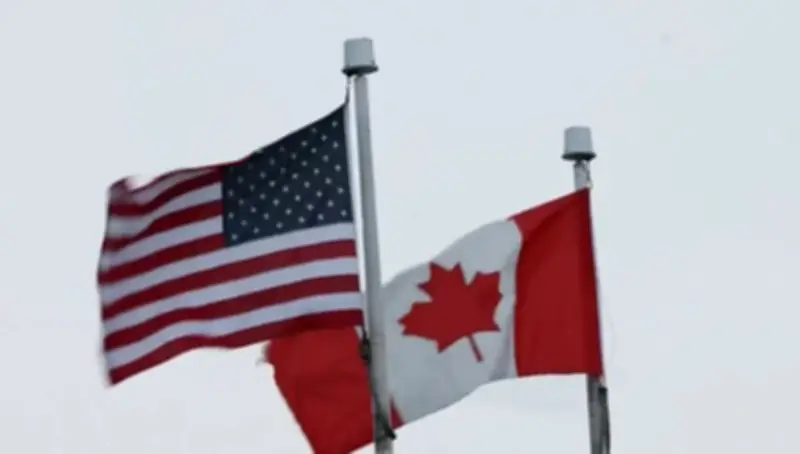
Canada and the United States have failed to reach an extension of the Canada-United States-Mexico Agreement (CUSMA), maintaining the current trade war status quo. The deadline passed without a deal, leaving tariffs and trade barriers in place. Experts say this outcome was widely anticipated given the political climate in both countries.
Predictable Outcome, Say Analysts
Trade analysts had warned for months that a swift resolution was unlikely. "We predicted this," said one trade expert, who noted that the US administration's focus on domestic issues and protectionist rhetoric made a compromise difficult. The lack of progress means that existing tariffs on Canadian steel, aluminum, and other goods will remain, continuing economic strain on both sides of the border.
Impact on Canadian Economy
The failure to extend CUSMA is expected to have significant consequences for Canadian businesses, particularly in manufacturing and agriculture. According to a recent report, Canadian exports to the US have already declined by 5% since the tariffs were imposed. Small and medium-sized enterprises are feeling the pressure, with some considering relocating to the US to avoid tariffs.

US Political Factors
In the United States, the Trump administration has prioritized domestic manufacturing and job creation, viewing trade agreements as a threat to American workers. The administration's rejection of a CUSMA extension aligns with its broader trade policy, which has also targeted China and the European Union. Canadian officials expressed disappointment but vowed to continue negotiations.
What Happens Next?
With no extension in place, both countries will operate under the original CUSMA terms, which include a review clause that could lead to renegotiation. However, analysts predict that significant progress is unlikely before the next US presidential election. Canadian businesses are advised to diversify their markets and prepare for prolonged uncertainty.