Unclaimed Strikes Follow US Military Operations
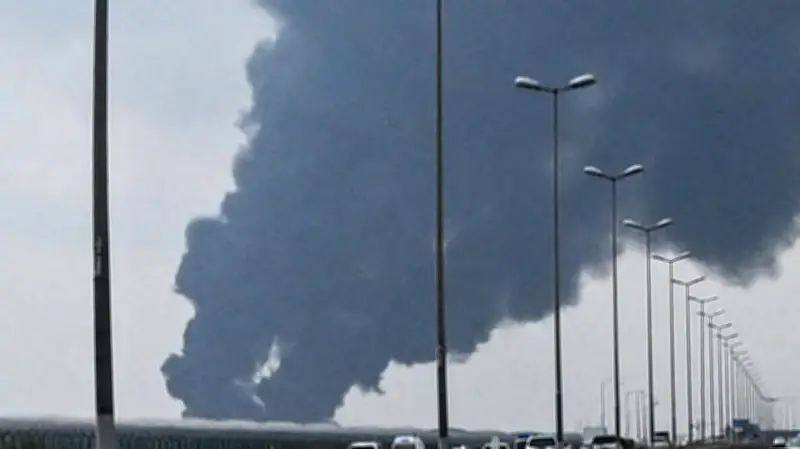
Mysterious, unclaimed airstrikes struck Iran on Thursday, just as the country prepared to bury the late Supreme Leader Ayatollah Ali Khamenei. The attacks hit areas across southern Iran, including Bushehr and Sistan and Baluchestan provinces, as well as the cities of Ahvaz and Chabahar. The U.S. military’s Central Command had announced earlier that day that it had concluded a round of strikes hitting 90 targets, but did not claim responsibility for the additional attacks. Central Command did not respond to requests for comment about the subsequent strikes.
Iran Responds with Wider Attacks Across the Mideast
In response to the strikes, Iran launched a broader volley of attacks targeting Bahrain, Jordan, Kuwait, and Qatar. Missile alert sirens sounded in these countries, sending residents to seek shelter. One person was reportedly injured in Kuwait as air defense systems engaged the incoming fire. These exchanges tested a shaky ceasefire deal between Tehran and Washington. U.S. President Donald Trump reiterated on social media that he views the interim deal as over, but indicated continued talks aimed at a permanent end to the war.
Gulf Arab States and Israel Remain Silent
Gulf Arab states, which Iran has repeatedly targeted since the war began on February 28, did not immediately respond to requests for comment about the strikes. Israel, which participated in the Iran war and has not claimed any recent attacks, also remained silent. Prime Minister Benjamin Netanyahu spoke with Trump on Thursday night, with Trump updating Netanyahu on American moves in the Gulf. Israel’s Defense Minister Israel Katz renewed threats that Israel stood ready to confront Iran if needed, stating, “If we will have to return, we will return with even greater force.”

Iranian Lawmaker Warns UAE Over Alleged US Support
Iranian state media quoted Esmail Kousari, a member of parliament’s national security committee and former Revolutionary Guard commander, warning the United Arab Emirates would “pay the price for its cooperation with the United States.” He accused the Emirates of having a “behind-the-scenes” role in recent U.S. attacks. Iran has repeatedly accused Gulf Arab states of supporting the U.S. war effort, though they have denied this. The U.S. maintains a broad military footprint across the Gulf, including in Bahrain, home to the U.S. Navy’s 5th Fleet.
Strait of Hormuz Tensions Escalate
Iran insists it must be the sole controller of the Strait of Hormuz, a vital waterway for global energy markets. About a fifth of all traded oil and natural gas passed through the strait before the war. Iran’s grip on the strait during the conflict led to a global energy crisis, though oil prices have dropped from wartime highs of $120 a barrel. The U.S. continues to urge mariners to use a southern route through Oman’s territorial waters to avoid Iran. The Joint Maritime Information Center issued a new advisory Friday urging ships to travel that route, despite recent unprovoked attacks on merchant vessels. Data from Kpler shows 22 ships transited the strait on Thursday, down from 30 on Wednesday and 41 on Tuesday.