Elon Musk Proposes Funding TSA Salaries to Alleviate Airport Congestion
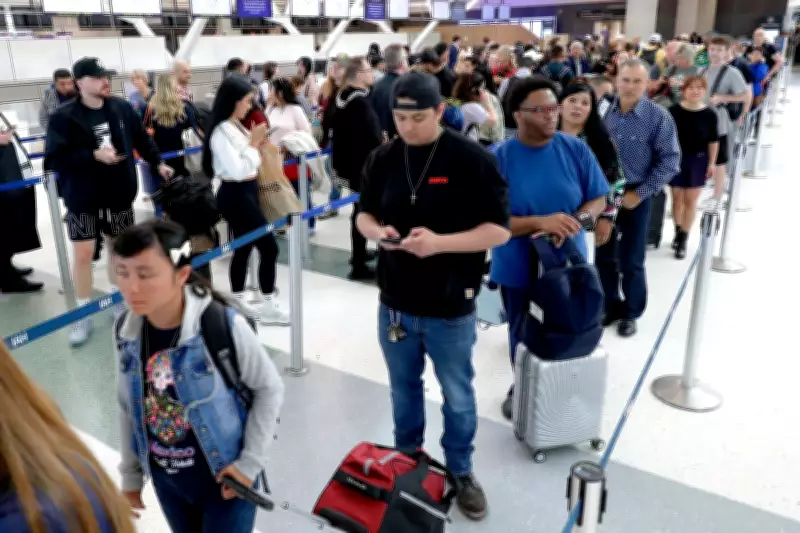
In a bold move amid a federal budget standoff, billionaire entrepreneur Elon Musk has offered to pay the salaries of Transportation Security Administration (TSA) agents. This proposal comes as air travelers across the United States endure significant delays, with reports of wait times stretching up to two hours at security checkpoints, such as those at Terminal E in George Bush Intercontinental Airport in Houston.
Airport Gridlock Sparks Private Sector Intervention
The ongoing budget battle in Washington has led to staffing shortages and operational challenges within the TSA, exacerbating congestion at airports nationwide. Long lines and extended security processing times have become a common frustration for passengers, disrupting travel plans and causing widespread inconvenience.
Musk's offer aims to provide immediate relief by covering salary costs for TSA personnel, potentially allowing for increased staffing levels and more efficient security screenings. This intervention highlights the growing role of private sector figures in addressing public service gaps during governmental disputes.

Context of the Budget Dispute and Its Impact
The federal budget impasse has strained resources across various agencies, with the TSA facing particular scrutiny due to its direct impact on civilian travel. Critics argue that underfunding has compromised security efficiency and passenger experience, leading to calls for urgent resolutions.
Musk's proposal, while unprecedented, underscores the severity of the situation and the willingness of high-profile individuals to step in during crises. However, it raises questions about the sustainability of such private funding and the broader implications for public agency independence.
Reactions and Potential Outcomes
Responses to Musk's offer have been mixed. Some travelers and industry experts welcome the initiative as a pragmatic solution to alleviate immediate pressures, while others express concerns over the precedent it sets for corporate influence in government operations.
As discussions continue, the focus remains on finding a long-term budgetary agreement to ensure stable TSA funding. In the meantime, passengers are advised to plan for extended wait times and stay informed about airport conditions.
This development marks a notable moment in the intersection of business, politics, and public service, with potential ripple effects on how similar challenges are addressed in the future.