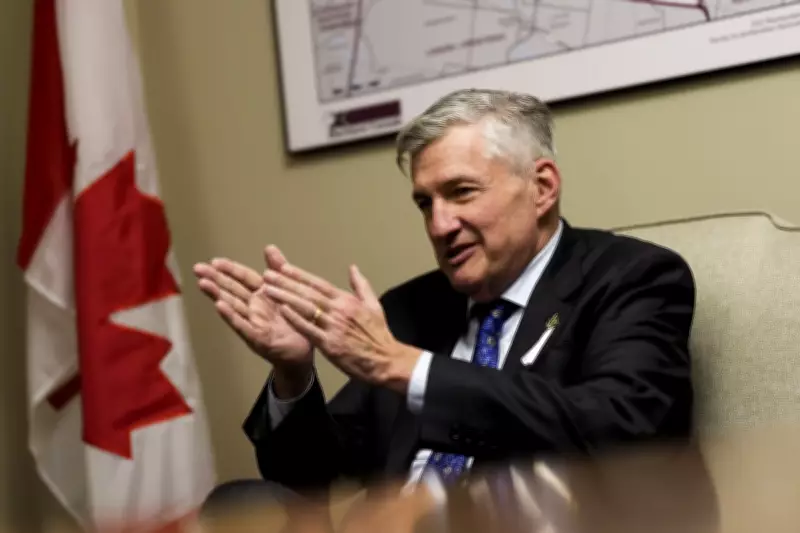
Liberal MP Advocates for Flexible Federal Workplace Policies in Ottawa
Bruce Fanjoy, the Liberal Member of Parliament for Carleton, has publicly called on the federal government to reconsider its current return-to-office policy for public servants. In a recent statement, Fanjoy emphasized the need for a more nuanced approach that balances operational requirements with the evolving needs of employees in the post-pandemic era.
Concerns Over Rigid Mandates and Employee Well-being
Fanjoy argues that a one-size-fits-all mandate may not be suitable for the diverse roles within the public service. He points to potential negative impacts on productivity, work-life balance, and mental health if flexible arrangements are not adequately considered. The MP highlights that many public servants have demonstrated efficiency while working remotely, and a forced return could disrupt established workflows.
This push comes amid broader discussions about the future of work in Canada's federal sector. Fanjoy's intervention adds to a growing chorus of voices advocating for hybrid models that incorporate lessons learned during the COVID-19 pandemic. He suggests that policies should be evidence-based, taking into account departmental needs and employee feedback rather than imposing blanket rules.

Broader Implications for Federal Governance and Public Service Morale
The debate over return-to-office policies is not isolated; it reflects larger trends in labor markets and public administration. Fanjoy's request underscores the importance of adapting governance structures to modern realities, where technology enables flexible work environments. Failure to address these concerns could lead to decreased morale and retention issues within the public service, potentially affecting service delivery to Canadians.
As the government evaluates its stance, stakeholders are watching closely. The outcome could set a precedent for other sectors and influence how workplace policies are crafted in an era of rapid change. Fanjoy's advocacy highlights the ongoing need for dialogue between policymakers, public servants, and the communities they serve to ensure effective and responsive governance.