Mojtaba Khamenei Emerges as Contender for Iran's Leadership After Father's Death
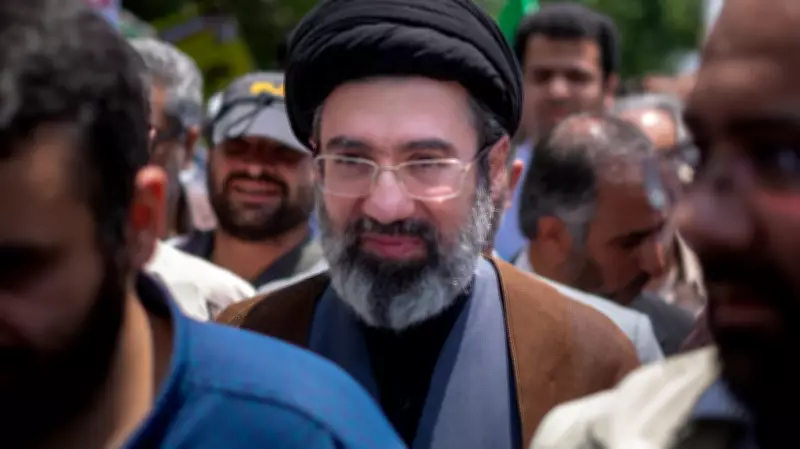
Mojtaba Khamenei, a son of Iran's late Supreme Leader Ayatollah Ali Khamenei, has long been considered a contender for the country's next paramount ruler. This speculation persists even before an Israeli strike killed his father at the start of the war last week, despite Mojtaba never being elected or appointed to a government position.
Secretive Figure in Hiding Amid Conflict
A secretive figure within the Islamic Republic, Mojtaba Khamenei has not been seen publicly since Saturday, when the Israeli airstrike targeting the supreme leader's offices killed his 86-year-old father. Also killed was his wife, Zahra Haddad Adel, who came from a family long associated with Iran's theocracy.
Khamenei is believed to still be alive and has likely gone into hiding as American and Israeli airstrikes continue to pound Iran, though state-run Iranian media have not reported on his whereabouts.

Profile Rises After Airstrike
Mojtaba Khamenei's name continues to circulate as a possible candidate to replace his father, something criticized in the past as potentially creating a theocratic version of Iran's former hereditary monarchy. Now, with his father and wife considered by hard-liners as martyrs in the war against America and Israel, Khamenei's stock likely has risen with the aging clerics of the 88-seat Assembly of Experts, who will select the country's next supreme leader.
Whoever becomes the leader will gain control of an Iranian military now at war and a stockpile of highly enriched uranium that could be used to build a nuclear weapon—should he choose to decree it.
Background and Power Dynamics
Khamenei had occupied a similar role to that of Ahmad Khomeini, a son of Iran's first Supreme Leader Ruhollah Khomeini—"a combination of aide-de-camp, confidant, gatekeeper and power broker," according to United Against Nuclear Iran, a U.S.-based pressure group.
Born in 1969 in Mashhad, Khamenei grew up as his father agitated against Shah Mohammad Reza Pahlavi. After the 1979 Islamic Revolution, the family moved to Tehran, and Khamenei fought in the Iran-Iraq war with the Habib ibn Mazahir Battalion, a division of Iran's paramilitary Revolutionary Guard. His father became supreme leader in 1989, giving Mojtaba access to billions of dollars and business assets across Iran's bonyads.
His power rose alongside his father's, working within his offices in Tehran. U.S. diplomatic cables from the late 2000s referred to him as "the power behind the robes," alleging he tapped his father's phone and formed his own power base.
Involvement with Revolutionary Guard and Sanctions
Khamenei has worked closely with Iran's paramilitary Revolutionary Guard, including commanders of its Quds Force and Basij, which suppressed protests. The United States sanctioned him in 2019 for advancing his father's destabilizing ambitions, with allegations he supported hard-line President Mahmoud Ahmadinejad's elections.
Powers of Supreme Leader at Stake
There has been only one other transfer of power in the office of supreme leader since Iran's 1979 Islamic Revolution. The new leader will take over amid a 12-day war with Israel and broader conflict, with the supreme leader having final say over all state matters and commanding the military and Guard.
The Guard, designated a terrorist organization by the U.S. in 2019, leads the "Axis of Resistance" and controls Iran's ballistic missile arsenal, adding to the high stakes of this succession.