The Canadian Forces police leadership continues to place roadblocks to thwart civilian oversight, warns a new report from a watchdog agency. The Military Police Complaints Commission, created by Parliament to conduct oversight on the Canadian Forces police, outlined its ongoing concerns in a new report.
“Independent civilian oversight is not a threat,” MPCC chairperson Tammy Tremblay said in a statement with the release of the agency’s annual report. “It is a pillar of trust and a cornerstone of democracy.”
Tremblay said her organization maintained professional working relationships with military police and she recognized the dedication of those officers who served with integrity. But the relationship with the Office of the Provost Marshal, the top military police officer, was another matter.

“Ultimately, institutions are judged not only by the professionalism of their members, but by how they respond to scrutiny, especially in difficult moments,” Tremblay said. “When harm has occurred, when lives have been lost, or when systemic issues are identified, the response cannot be silence or retreat into legalism.”
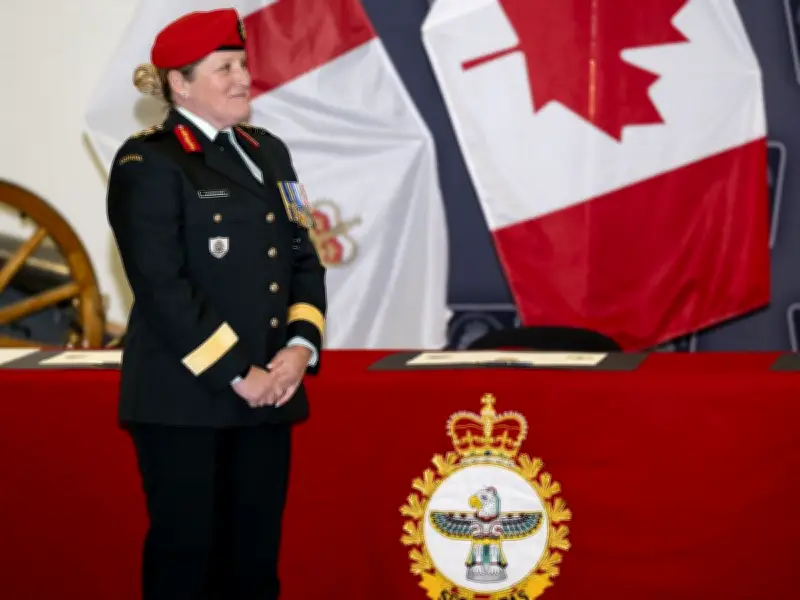
The Office of Canadian Forces Provost Marshal Brig.-Gen. Vanessa Hanrahan did not provide comment about Tremblay’s report.
Tremblay wrote that her organization had been encountering persistent and worsening challenges in carrying out its oversight responsibilities. These included delays and refusals by the Office of the Provost Marshal to disclose relevant documents as well as the refusal to provide updates on implementation of recommendations. In many cases, recommendations on improving training or oversight of police were rejected outright. In addition, the Provost Marshal has adopted a narrow interpretation of what the watchdog agency can examine.
“In some instances, these barriers have escalated from procedural resistance to outright refusal to comply with the oversight role that Parliament conferred on the MPCC,” Tremblay’s report warned. “This is troubling.”
Tremblay said many of the concerns she raised in this new report were not directed at individual military police officers, but “rather at the leadership and systemic issues that shape police accountability and culture.”
The Office of the Provost Marshal rejected recommendations to update police training programs on detention, according to the report. Also rejected was a recommendation for training in de-escalation and conflict management. The provost marshal also rejected the recommendation to provide “updated training to all military police members on the provision of victim services in high-risk situations, the exercise of discretion in identifying individuals at risk of family or intimate partner violence, and the procedures and legal authorities related to property removal following the breakdown of domestic relationships.”