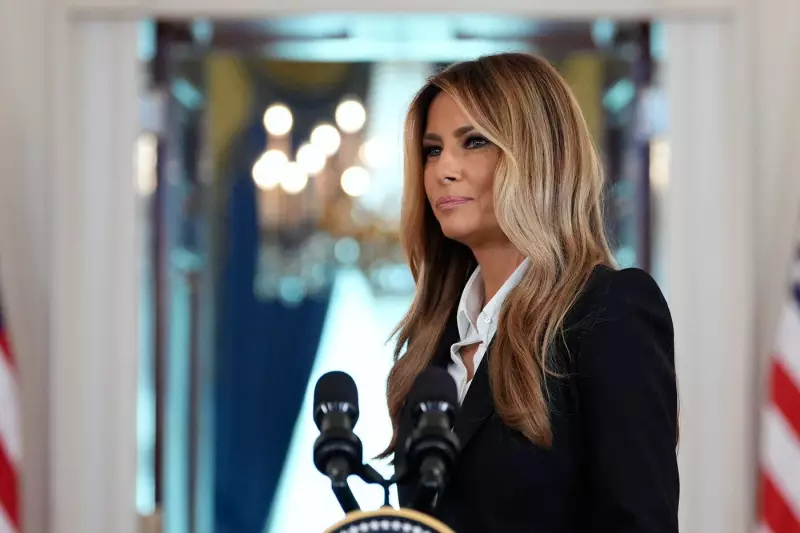
Melania Trump Advocates for National Unity in Wake of Minneapolis Civil Unrest
In a notable public statement, former First Lady Melania Trump has issued a call for national unity and reconciliation following recent episodes of civil unrest and protests in Minneapolis. Her remarks come at a time of heightened political polarization in the United States, underscoring a plea for collective calm and dialogue amidst societal tensions.
Context of the Appeal and Broader Political Landscape
Melania Trump's message emphasizes the importance of coming together as a nation to address underlying issues constructively. This appeal for unity is set against a backdrop of ongoing political debates and challenges, both domestically in the U.S. and internationally. Notably, the statement coincides with other significant political developments, including Prime Minister Carney's firm stance on his Davos speech despite U.S. criticisms, highlighting the complex interplay of leadership and diplomacy.
Parallel Canadian Developments and Domestic Concerns
While the focus remains on U.S. events, Canada is concurrently navigating its own array of domestic issues. From severe winter weather impacting regions like Toronto and Ottawa to local incidents such as a costly investment scam in Ontario and housing challenges in Vancouver ahead of the FIFA World Cup, the nation faces multifaceted pressures. Additionally, political movements, such as Alberta separatists gathering signatures in Calgary, reflect ongoing regional tensions within Canada.

Other notable Canadian stories include public safety concerns, like a stabbing incident on Muskoday First Nation in Saskatchewan, and community efforts, such as a Northern Ontario First Nation's significant investment in Edmonton property. These events illustrate the diverse challenges across provinces, from economic scams to indigenous community initiatives and environmental hazards like snowstorms and water damage.
Broader Implications and Societal Reflections
The call for unity by Melania Trump resonates beyond immediate unrest, touching on broader themes of social cohesion and political discourse. In an era marked by divisive rhetoric and global uncertainties, her statement invites reflection on how societies can foster understanding and collaboration. Meanwhile, international issues, such as Spain's regularization of undocumented migrants and debates over the FIFA World Cup boycott, add layers to the global context, emphasizing interconnectedness in today's world.
As communities in both the U.S. and Canada grapple with these challenges, the emphasis on unity serves as a reminder of the ongoing need for constructive engagement and resilience in addressing complex societal issues.