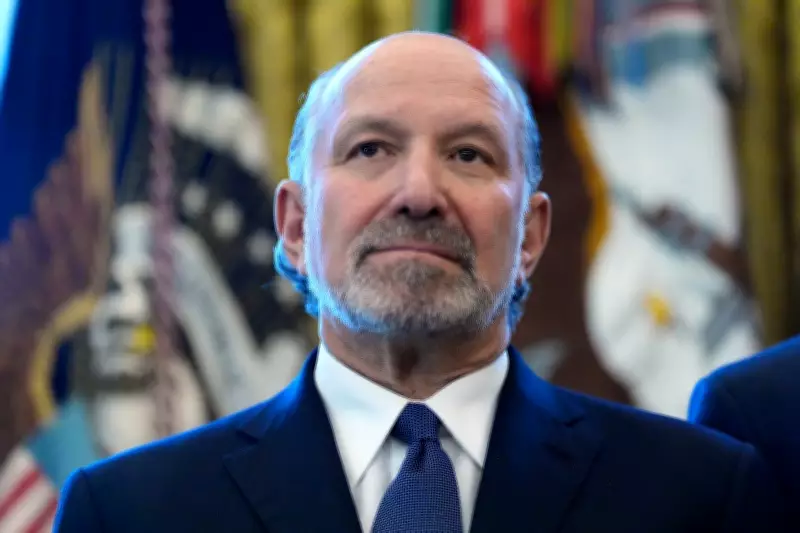
Commerce Secretary Howard Lutnick Acknowledges Meetings with Jeffrey Epstein, Contradicting Previous Claims
In a significant development, U.S. Commerce Secretary Howard Lutnick has publicly acknowledged meetings with the late financier and convicted sex offender Jeffrey Epstein. This admission directly contradicts previous statements made by Lutnick, who had previously denied or downplayed any association with Epstein. The revelation has sparked renewed scrutiny and questions about transparency and accountability within the highest levels of government.
Background and Context of the Meetings
Howard Lutnick, a prominent figure in the financial industry before his appointment as Commerce Secretary, has been a subject of public interest due to his past business dealings and connections. Jeffrey Epstein, who died in jail in 2019 while awaiting trial on sex trafficking charges, was known to have associated with numerous high-profile individuals from politics, business, and academia. Lutnick's acknowledgment of meetings with Epstein comes amid ongoing investigations and public inquiries into Epstein's network and the extent of his influence.
The details of when and where these meetings occurred have not been fully disclosed, but sources indicate they took place over several years prior to Epstein's legal troubles becoming widely known. Lutnick has stated that the meetings were related to business matters, but this explanation has done little to quell the growing controversy.

Contradictions with Previous Statements
Prior to this admission, Lutnick had consistently maintained that he had minimal or no contact with Epstein. In earlier interviews and public appearances, he either avoided the topic or provided vague responses that suggested a lack of familiarity with Epstein. The recent acknowledgment, therefore, represents a stark reversal and has led to accusations of dishonesty or obfuscation.
This contradiction raises serious concerns about the integrity of public officials and their willingness to be transparent about past associations. It also highlights the challenges faced by individuals in positions of power when confronted with uncomfortable truths from their past.
Implications for the Commerce Department and Public Trust
As Commerce Secretary, Howard Lutnick plays a crucial role in shaping U.S. economic policy and fostering international trade relations. The revelation of his meetings with Epstein, coupled with the contradictory nature of his statements, could undermine public confidence in his leadership and the department he oversees. Critics argue that such associations, even if innocent in intent, reflect poorly on the ethical standards expected of high-ranking government officials.
Moreover, this situation may prompt calls for further investigation into Lutnick's past dealings and associations, potentially impacting his ability to effectively carry out his duties. The Biden administration, which appointed Lutnick, may face pressure to address these concerns and ensure that all officials adhere to the highest ethical standards.
Wider Context and Ongoing Scrutiny
The Epstein case continues to cast a long shadow over many public figures, with new revelations emerging periodically. Lutnick's admission is part of a broader pattern where individuals previously linked to Epstein are being forced to confront their past associations. This ongoing scrutiny serves as a reminder of the importance of accountability and transparency in public life.
In conclusion, Commerce Secretary Howard Lutnick's acknowledgment of meetings with Jeffrey Epstein, which contradicts his earlier claims, has ignited a firestorm of controversy. As the story develops, it will be essential to monitor how this affects his role and the public's trust in government institutions. The incident underscores the need for unwavering honesty from those in positions of power, especially when addressing sensitive and potentially damaging aspects of their past.