Brazil's leading presidential candidates, Luiz Inácio Lula da Silva and Flávio Bolsonaro, have clashed over a proposed US tariff, revealing stark differences in their economic and trade policy approaches. The dispute emerged after the US government signaled potential new tariffs on Brazilian goods, prompting sharply divergent responses from the two frontrunners.
Lula's Response to US Tariff Proposal
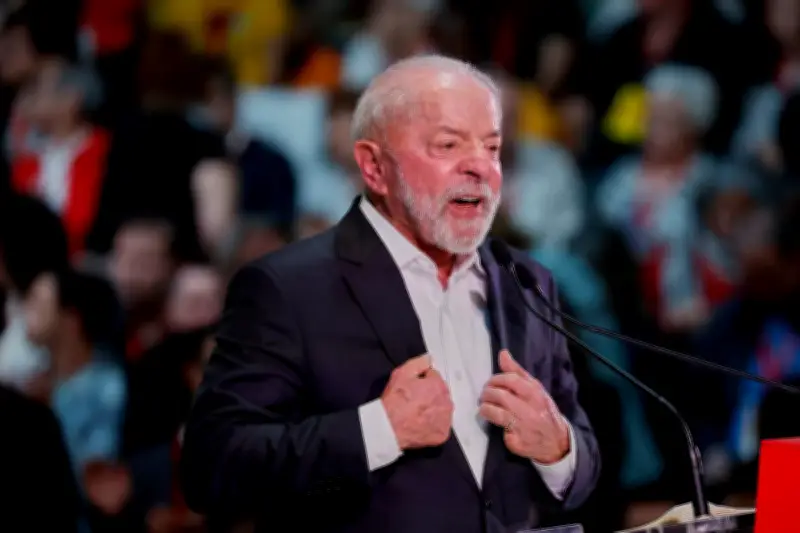
Lula, the current president, criticized the tariff proposal as protectionist and harmful to global trade. During a speech at the Global Progressive Mobilization summit in Barcelona, Spain, on April 18, 2026, he argued that such measures undermine international cooperation and disproportionately affect developing economies. Lula emphasized the need for dialogue and multilateral solutions, stating that Brazil would seek to negotiate a fair outcome through diplomatic channels.
Bolsonaro's Stance
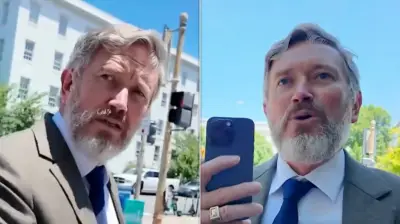
Flávio Bolsonaro, a senator and leading opposition candidate, took a more confrontational stance. He accused Lula of being weak on trade and failing to defend Brazilian interests. Bolsonaro called for retaliatory tariffs and a tougher negotiating position, arguing that the US proposal is an affront to Brazil's sovereignty. He also linked the issue to broader criticisms of Lula's economic policies, claiming they have left Brazil vulnerable to external pressures.

Impact on the Presidential Race
The clash over the tariff proposal has become a key issue in the campaign, with both candidates using it to rally their bases. Political analysts note that the debate reflects deeper ideological divisions: Lula's focus on diplomacy and international cooperation versus Bolsonaro's nationalist and protectionist rhetoric. According to a recent poll by Datafolha, the tariff issue has moved to the forefront of voters' concerns, with 62% of respondents saying trade policy is an important factor in their vote.
The US tariff proposal, which targets Brazilian steel and agricultural products, has drawn widespread criticism from Brazilian industry groups. The National Confederation of Industry estimates that the tariffs could cost Brazil up to $5 billion in exports annually. Both candidates have pledged to protect Brazilian jobs and industries, but their proposed methods differ sharply.
Broader Context
The tariff dispute comes amid a complex trade relationship between Brazil and the US. The two countries have been negotiating a bilateral trade agreement, but progress has been slow. Lula has advocated for a comprehensive deal that includes environmental and labor standards, while Bolsonaro has pushed for a more straightforward reduction of trade barriers.
Environmental groups have also weighed in, with some warning that the tariff proposal could undermine Brazil's efforts to combat deforestation. The Amazon rainforest, a key issue in the campaign, is closely tied to trade policies, as agricultural exports are a major driver of land-use change.
Next Steps
As the election approaches, both candidates are expected to intensify their campaigns on trade and economic issues. The US tariff proposal is likely to remain a central topic, with each candidate seeking to portray the other as out of touch with Brazilian interests. The outcome of the election could have significant implications for Brazil's trade policy and its relationship with the US.