High-Profile Khalistan Advocate Rejects Accusations in LaSalle Homicide Case
A leading global figure in the Khalistan movement has firmly dismissed allegations linking the separatist cause to the recent murder of Windsor resident Nancy Grewal, asserting that the tragedy is being exploited for political purposes. Gurpatwant Singh Pannun, founder and general counsel of the U.S.-based organization Sikhs for Justice, emphasized that violence has no place in the pursuit of Khalistan, a proposed independent Sikh homeland in India's Punjab region.
Details of the Tragic Incident and Ongoing Investigation
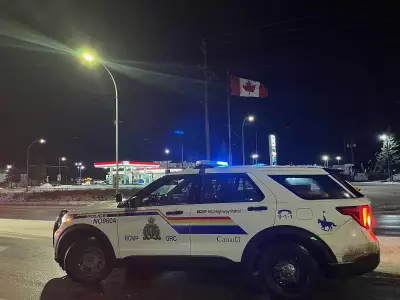
Nancy Grewal, a 45-year-old personal support worker and social media influencer known for her vocal opposition to Khalistan, was fatally stabbed last week at a client's residence in LaSalle. Local authorities, now assisted by the Ontario Provincial Police, have confirmed that Grewal was specifically targeted, describing the attack as "not a random act of violence." However, investigators have not publicly established a direct connection to her political views, despite widespread speculation in international media and among her family members.
In response to the killing, Pannun expressed deep sorrow, stating, "The killing of Nancy is very tragic and deeply disturbing. Violence against anyone for their critical views has no place in political debates. That's what Sikhs for Justice, that's what the Khalistan referendum, is basically fighting for." He advocates for a peaceful, democratic referendum to address Sikh sovereignty, rather than violent means.

Historical Context and Global Implications
The Khalistan movement, which originated in the 1940s, has gained traction worldwide through the Sikh diaspora. It has been associated with past acts of violence, including the 1985 Air India bombing—the deadliest terrorist attack in Canadian history—linked to Khalistan extremists. Canada has designated groups such as the International Sikh Youth Federation and Babbar Khalsa International as terrorist entities.
Following Grewal's death, the Hindu Canadian Foundation has urged the federal government to classify Khalistani extremists as terrorists, a call echoed in an open letter from 14 Jewish organizations. These groups have demanded that authorities treat such threats with the same seriousness as those posed by organizations like the IRGC, Hamas, and Hezbollah.
Political Tensions and Broader Debates
Pannun, whom the Indian government has labeled a terrorist and allegedly attempted to assassinate, argues that the focus should remain on a referendum for self-determination, not violence. The case has ignited broader discussions about terrorism, free speech, and community safety in Canada, with various stakeholders calling for heightened vigilance and policy action.
As the investigation continues, the incident underscores the complex interplay between diaspora politics, domestic security, and international relations, highlighting the need for nuanced approaches to addressing separatist movements and preventing further tragedies.