British Prime Minister Keir Starmer announced his resignation on Monday, June 22, 2026, but will remain in office until a successor is chosen. The announcement, made outside 10 Downing Street in London, triggers a leadership contest within the Labour Party to determine who will lead the country.
Resignation Announcement Details
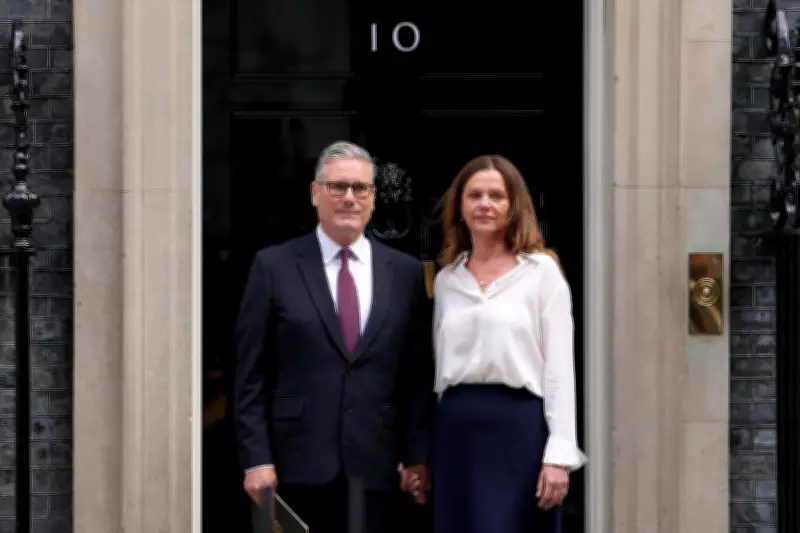
Starmer, accompanied by his wife Victoria, addressed the media in front of the iconic black door of 10 Downing Street. He did not provide a specific reason for stepping down but emphasized the need for a smooth transition. According to The Associated Press, Starmer said he would continue to serve as prime minister until the Labour Party selects a new leader, ensuring stability during the transition period.
The resignation comes amid a backdrop of political challenges, including economic pressures and ongoing debates over public policy. Starmer, who became prime minister after leading Labour to victory in the 2024 general election, has faced criticism from within his party over issues such as healthcare funding and climate policy.

Leadership Contest Underway
The Labour Party will now initiate a leadership election process. Candidates are expected to come forward in the coming days, with party members and affiliated unions voting to select Starmer’s successor. The timeline for the contest has not been finalized, but party rules typically require a period of several weeks for campaigning and balloting.
Political analysts note that Starmer’s decision to resign rather than face a potential no-confidence vote allows him to leave on his own terms. His tenure saw efforts to stabilize the economy post-Brexit and address public sector strikes, but approval ratings had declined in recent months.
Impact on UK Politics
The resignation marks a significant shift in British politics. Starmer’s departure opens the door for a new leader to shape Labour’s direction ahead of the next general election, which is constitutionally due by 2029. The opposition Conservative Party has called for an immediate general election, but Starmer’s decision to stay on until a successor is chosen means the government will continue without disruption.
International reactions have been muted, with allies including the United States and European Union expressing respect for Starmer’s service. The transition is expected to be orderly, as the UK prepares for upcoming trade negotiations and climate commitments.