Judge Leon Dismisses DOJ's 'Alteration' Claim for Trump's White House Ballroom
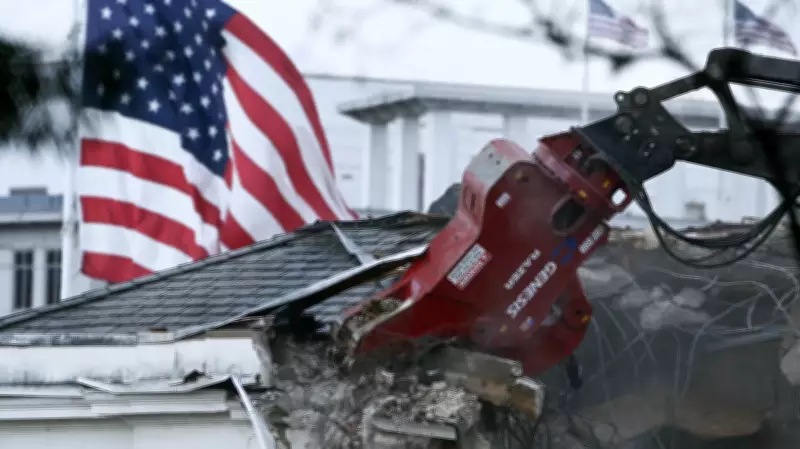
In a hearing that underscored deep legal tensions, U.S. District Judge Richard J. Leon expressed clear skepticism toward the Justice Department's defense of President Donald Trump's controversial $400 million White House ballroom project. The case, which centers on the demolition of the East Wing facade on October 20, 2025, in Washington, D.C., has drawn national attention over questions of presidential authority and historic preservation.
'Brazen Interpretation' of Law Called Out
Judge Leon, appointed by President George W. Bush, took particular issue with the DOJ's argument that a federal law allowing the president to make "alterations" and "improvements" to the White House justified the extensive demolition and construction. He told attorneys that labeling Trump's project as merely an "alteration" required a "brazen interpretation of the laws of vocabulary," highlighting the absurdity of the claim in light of the scale of the work, which includes erecting a cartoonishly large event space without congressional approval.
White House as an 'Iconic Symbol'
The judge grew visibly frustrated when DOJ lawyers attempted to compare the ballroom project to past initiatives at national parks. Leon firmly rejected this analogy, emphasizing that the White House "is a special place" and "an iconic symbol of this nation." He noted that Trump serves as a steward, not an owner, of the historic property, underscoring the unique responsibilities involved.

Legal Battle and Shifting Justifications
The case reached the D.C. district court after the National Trust for Historic Preservation in the United States requested a temporary injunction to halt construction until congressional approval is secured. Leon indicated he would rule by the end of March, while the White House aims to begin aboveground construction in April. During the hearing, the judge criticized the government for its "shifting theories and shifting dynamics," a remark that gains context from last month's DOJ court filing, which cited "national security implications" and threatened to appeal any adverse decision.
Leon summed up the situation by stating, "It would have been a heck of a lot easier by any standard to have just gone to Congress to get the authority to do it," pointing to the unnecessary legal complexities introduced by the administration's approach. This case continues to highlight ongoing debates over executive power and the preservation of national landmarks.