In a significant legal development, a United States judge has issued a ruling that blocks an attempt by the White House to withhold funding from the Consumer Financial Protection Bureau (CFPB). This decision ensures that employees of the federal agency will continue to receive their pay.
Judge's Ruling Halts Administrative Action
The judicial order, handed down on December 30, 2025, serves as a direct check on executive branch authority. The White House, through the Office of Management and Budget (OMB), had initiated an effort to defund the consumer watchdog agency. The judge's intervention prevents this action from taking immediate effect, maintaining the financial stability of the CFPB's operations and workforce.
Key Figures and Context
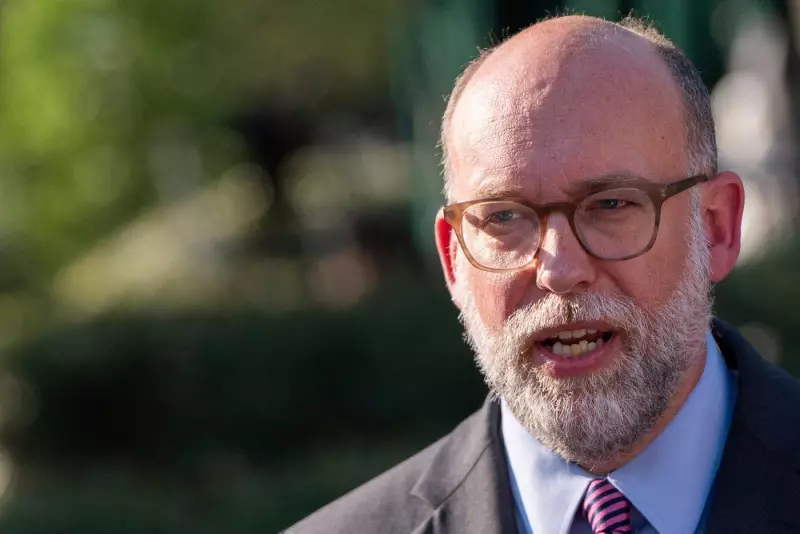
The attempt to defund the bureau was associated with Russell Vought, the Director of the Office of Management and Budget. Vought, a prominent figure in the administration, had previously spoken to reporters at the White House on Thursday, July 24, 2025, outlining the administration's budgetary perspectives. The CFPB, established in the wake of the 2008 financial crisis, is tasked with protecting consumers in the financial sector, making its funding a perennial point of political contention.

The judge's ruling underscores the ongoing tensions between different branches of the U.S. government regarding agency autonomy and congressional appropriations. By ensuring employees get paid, the court has provided temporary operational security for the bureau while the broader legal and political debate continues.
Implications and Next Steps
This ruling is more than a procedural step; it is a substantive victory for proponents of the agency's independence. It halts a forceful administrative maneuver and sets the stage for potential further litigation. The decision emphasizes that the executive branch cannot unilaterally cripple an agency established by Congress without facing judicial scrutiny.
For now, the CFPB can continue its consumer protection work without the immediate threat of a funding cut-off. However, the underlying political battle over the bureau's scope, power, and very existence is far from over. This case will likely be cited in future debates about the limits of presidential power and the safeguarding of federal agencies from partisan financial attacks.