A federal judge on Monday blocked subpoenas issued by the Trump administration against Minnesota Governor Tim Walz and other state officials, concluding that the subpoenas were designed to “harass and retaliate against them.”
Judge cites lack of legitimate criminal basis
U.S. District Judge Patrick Schlitz ruled that the “dominant purpose” of the subpoenas was to “coerce Minnesota officials into assisting the federal government with enforcing civil immigration law and to harass and retaliate against them for failing to do so.” The subpoenas were served in January as part of an investigation into whether Walz and other officials obstructed or impeded law enforcement during a large-scale immigration operation in the Minneapolis-St. Paul area.
The subpoenas sought records from the offices of Walz, Attorney General Keith Ellison, Minneapolis Mayor Jacob Frey, St. Paul Mayor Kaohly Her, and officials in Ramsey and Hennepin counties. Judge Schlitz noted that there appeared to be “extremely weak to nonexistent” connections between the information requested and any possible criminal violation. He further wrote that the subpoenas seek materials “that largely if not entirely relate to constitutionally protected conduct,” emphasizing that Minnesota has the legal right not to devote its resources to enforcing federal immigration law.

Officials condemn weaponization of justice system
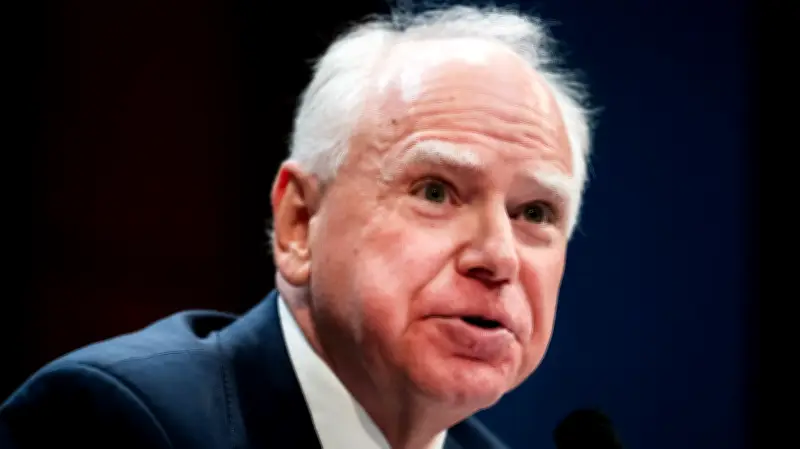
Governor Walz called the ruling “a victory for the rule of law and our democracy.” In a statement, he said: “The U.S. Justice Department is pursuing criminal investigations into the President’s political opponents. This case was just one example of that, but we are seeing daily reminders of this administration’s lawlessness – in Minnesota and around the country. We all must continue to seek justice and uphold the rule of law.”
Attorney General Keith Ellison added: “It should disturb every American that Donald Trump is weaponizing the criminal justice system against people he disagrees with.” The ruling marks a significant legal setback for the Trump administration’s efforts to compel state cooperation with federal immigration enforcement.