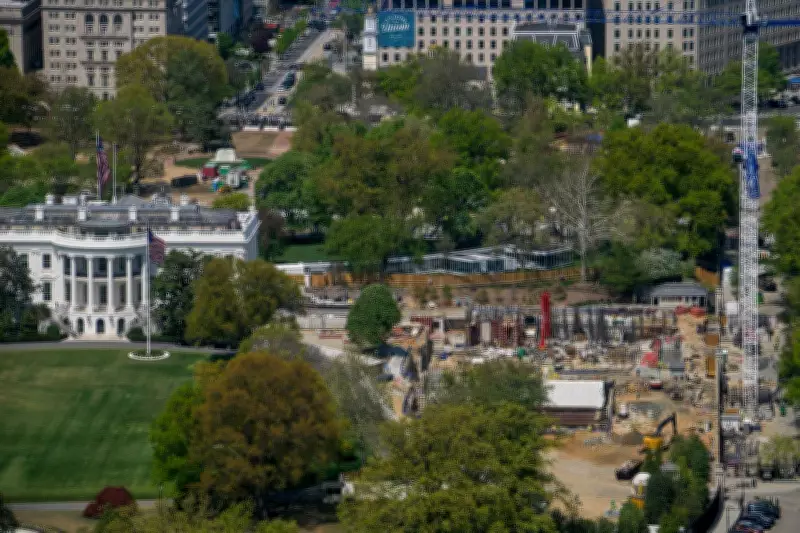
Judge Permits National Security Work Amid White House Ballroom Construction Halt
A federal judge has issued a ruling that allows national security-related construction activities to continue at the White House ballroom site, even as other aspects of the project remain halted. This decision comes after legal challenges temporarily stopped the broader construction efforts, highlighting the complex interplay between security imperatives and regulatory oversight.
Balancing Act: Security vs. Legal Compliance
The judge's order specifically authorizes work deemed critical for national security to proceed without interruption. This includes tasks such as securing infrastructure and implementing protective measures that are essential for safeguarding the site. The ruling underscores the judiciary's recognition of the urgent need to maintain security protocols, even in the face of ongoing legal disputes over the construction project.
Construction on the ballroom, which is replacing the former East Wing, began earlier this year but faced a temporary halt due to legal objections. The judge's latest decision provides a nuanced approach, ensuring that security concerns are addressed while the broader legal issues are resolved. This move aims to prevent any vulnerabilities that could arise from a complete stoppage of work.

Context and Implications
The White House ballroom project has been a subject of public and legal scrutiny, with debates over its necessity, cost, and environmental impact. The judge's ruling to allow national security work reflects a prioritization of safety and defense considerations. It also sets a precedent for how similar cases might be handled in the future, where security needs must be weighed against legal and regulatory frameworks.
Experts note that this decision could influence other high-profile construction projects involving government facilities. By permitting specific security-related activities, the judge has created a pathway for continued progress in critical areas, potentially mitigating risks associated with prolonged delays.
As the legal proceedings continue, stakeholders will be closely monitoring how this balance between security and compliance evolves. The outcome may have lasting effects on construction policies and national security protocols at federal sites across the country.