Speaker Johnson Abandons ICE Funding Demand, Accepts DHS Deal
House Speaker Mike Johnson, a Republican from Louisiana, has made a significant reversal by dropping his insistence that funding for the Department of Homeland Security must include specific allocations for Immigration and Customs Enforcement (ICE) and Border Patrol. This decision marks a retreat from his earlier stance, where he had dismissed such a deal as unacceptable just days prior. By allowing the House to proceed with the bill, Johnson is effectively bringing an end to a protracted seven-week shutdown that has forced numerous DHS employees to miss multiple paychecks, causing financial strain and operational disruptions.
A Strategic Shift with Broad Implications
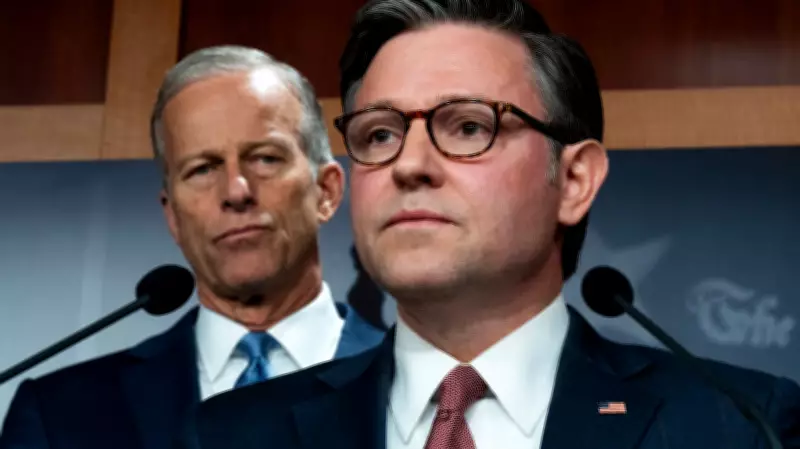
This development represents a notable concession for Johnson and the House Republican caucus, yet it also diminishes the leverage Democrats might have wielded in advocating for reforms within the two key immigration enforcement agencies. The shift underscores the complexities of bipartisan negotiations in a divided government, where political pressures and practical necessities often collide. In a joint statement released on Wednesday, Johnson and Senate Majority Leader John Thune, a Republican from South Dakota, announced their commitment to "fully funding the entire Department of Homeland Security" through a dual-track approach.
This strategy involves a long-term budget process alongside a more immediate appropriation measure, designed to ensure continuity and stability in DHS operations. Former President Donald Trump appeared to endorse this plan in a post on his website, adding a layer of political endorsement to the agreement. The Senate had previously passed a bipartisan DHS bill that excluded funding for ICE, prompting Johnson to block a House vote initially. Instead, the House passed a 60-day "continuing resolution" to fund all of DHS, but this move found little traction with Thune or Senate Democrats, who showed no interest in advancing it.

Ending the Continuing Resolution and Political Fallout
In their joint statement, Johnson and Thune explicitly stated they are no longer pursuing the 60-day resolution, emphasizing that "we cannot allow Democrats to any longer put the safety of the American public at risk through their open border policies, so we are taking that off the table." While the Republican leaders did not explicitly confirm that the House would pass the Senate bill, doing so would align with their description of funding DHS "through the appropriations process," followed by a budget bill that Senate Republicans have already begun drafting.
Senate Democratic Leader Chuck Schumer of New York responded with a triumphant statement, criticizing Republican divisions for derailing the bipartisan agreement and making American families bear the cost of their dysfunction. Schumer highlighted that Senate Democrats remained steadfast, insisting on funding critical security measures without providing a blank check for what they termed "reckless ICE and Border Patrol enforcement." He asserted, "We were united, held the line, and refused to let Republican chaos win."
Echoing this sentiment, House Democratic Leader Hakeem Jeffries of New York issued a similar message, declaring that "Mike Johnson and House Republicans have come to realize that we will never bend the knee." This political rhetoric underscores the deep-seated partisan divides that have characterized the funding debate, even as a resolution appears imminent. The end of the shutdown promises relief for DHS workers and a return to normalcy in agency operations, but it also sets the stage for ongoing debates over immigration policy and enforcement priorities in the months ahead.