Japanese Prime Minister Sanae Takaichi is cultivating a distinct form of popularity, one that appears to be rooted less in policy and more in her personal presentation and dedication. According to an Associated Press report from December 4, 2025, Takaichi is winning over fans through her fashion sense and a persistent 'work, work, work' mantra.
A Focus on Image and Dedication
The narrative surrounding Prime Minister Takaichi's public appeal highlights a shift from traditional political metrics. Observers note that her meticulous style and visible commitment to her duties are resonating with segments of the population. This phenomenon underscores how a leader's personal brand can sometimes eclipse detailed political discourse in shaping public perception.
The 'Work, Work, Work' Mantra in Practice
Central to this image is Takaichi's emphasis on relentless effort. Her reported mantra of 'work, work, work' is not just a slogan but is portrayed as a guiding principle of her tenure. This portrayal aligns with a public persona of a leader who is constantly engaged and dedicated to the responsibilities of her office, a quality that appears to be cutting through the noise of everyday politics.

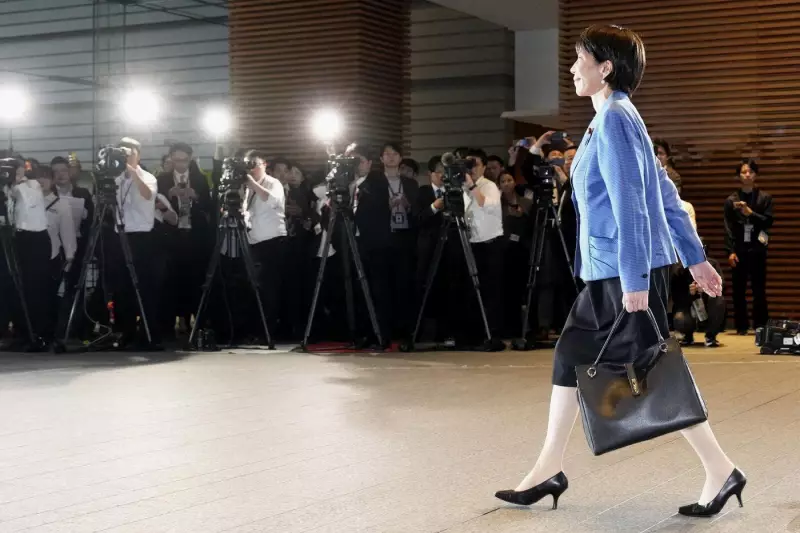
The Prime Minister was photographed arriving at her office in Tokyo on October 21, 2025, an image that often accompanies stories about her disciplined routine. While policy challenges and governance continue, the current wave of media attention suggests a fascination with the character and presentation of the leader herself.
Style as a Political Tool
Beyond her work ethic, Takaichi's sartorial choices have become a point of discussion and admiration. In an era where visual media dominates, a politician's style can become a powerful, if unconventional, tool for connection. This focus on aesthetics, while sometimes criticized as superficial, represents a modern reality of political communication where image management plays a significant role in building a relatable public figure.
The report indicates that this combination of perceived diligence and personal style is creating a unique bond with certain supporters. It raises questions about the evolving nature of political capital and what constituents value in their leaders in the contemporary media landscape.
As Prime Minister Takaichi continues her leadership, it remains to be seen whether this popularity based on persona and mantra will translate into long-term political support or influence her government's policy trajectory. For now, the story highlights an intriguing chapter where the lines between personal brand and political substance are prominently on display.