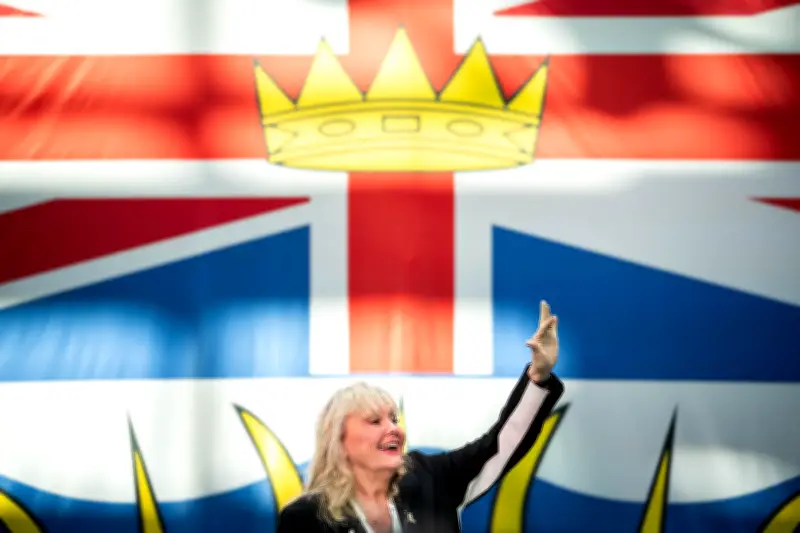
In a recent opinion piece, James Moore argues that early political prophecies are invariably a fool's errand. He highlights the case of Kerry-Lynne Findlay, who won the leadership race but now faces the daunting task of uniting a party already riddled with internal strife. Moore cautions against overconfident forecasts in politics, emphasizing that unexpected developments often upend even the most well-reasoned predictions.
The Perils of Political Prognostication
Moore points out that political landscapes are inherently volatile. The recent leadership victory by Kerry-Lynne Findlay serves as a prime example. While her win was anticipated by some, the subsequent challenges of healing party divisions were less predictable. Moore notes that internal turmoil can derail even the strongest leaders, making early predictions about their success risky.
Lessons from History
Drawing on historical precedents, Moore reminds readers that many political forecasts have proven wrong. He cites instances where frontrunners stumbled and underdogs surged, underscoring the unpredictability of electoral dynamics. The article urges caution against placing too much faith in early polls or expert opinions.

Moore concludes by advising political observers to remain humble and flexible, recognizing that the only certainty in politics is change itself. He encourages a focus on long-term trends rather than short-term prophecies.