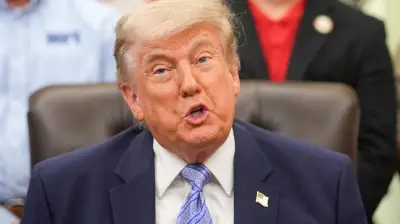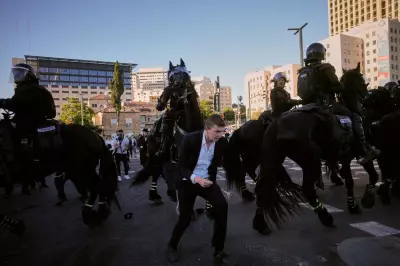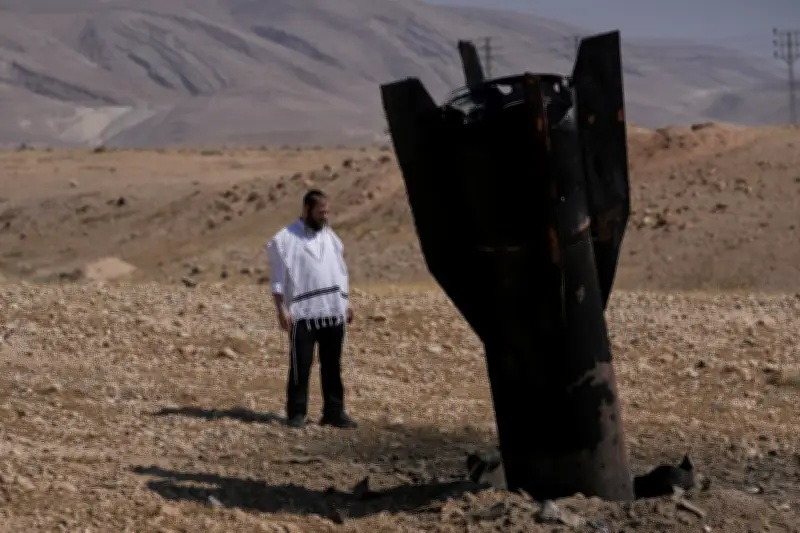
Israel and Iran traded strikes on Monday, escalating tensions in the Middle East, as former President Donald Trump urged both nations to stop 'shooting' and return to diplomacy. The exchange of fire marks a significant uptick in hostilities following a fragile ceasefire brokered in April.
Ballistic Missiles and Ceasefire Violations
Maj.-Gen. (Ret’d) Denis Thompson noted that Iran launched its first ballistic missiles since the April ceasefire, signaling a serious breach of the agreement. The strikes targeted military installations in Israel, while Israel retaliated with airstrikes on Iranian positions in Syria. Thompson emphasized that these actions threaten regional stability and could trigger a broader conflict.
International Reactions
The United Nations and several world powers have called for restraint. Trump, speaking at a rally in New York, said, 'They need to stop shooting and start talking. This is getting out of hand.' His comments come amid his ongoing influence on Republican foreign policy, though he holds no official office.

- Iran's missile launch was the first since April's ceasefire, raising alarms about the durability of the truce.
- Israel's airstrikes targeted Iranian forces in Syria, reportedly destroying weapons depots and command centers.
- Civilian casualties remain unconfirmed, but both sides report minimal damage due to interception systems.
Regional Impact
The strikes have disrupted air travel in the region, with several airlines canceling flights to and from Tel Aviv and Tehran. Oil prices spiked briefly on Monday, reflecting market anxiety over potential supply disruptions. The European Union issued a statement urging de-escalation, while Russia offered to mediate talks.
Historical Context
Iran and Israel have engaged in a shadow war for years, with Iran supporting proxies like Hezbollah and Hamas, and Israel conducting covert operations against Iranian nuclear facilities. The April ceasefire had brought a temporary halt to direct exchanges, but underlying tensions remain high.
As the situation develops, the international community watches closely. The Biden administration, while not directly involved, has reaffirmed its commitment to Israel's security. Meanwhile, Iran's new president faces domestic pressure to assert strength, complicating diplomatic efforts.
Analysts warn that without immediate dialogue, the region could spiral into a full-scale war. 'Every strike brings us closer to a conflict no one wants,' said Thompson. 'The window for diplomacy is narrowing.'