Iranian Authorities Escalate Crackdown on Dissent, Targeting Reformist Voices
In a significant escalation of political repression, Iranian security forces have broadened their crackdown on dissent following recent nationwide protests, now targeting prominent reformist figures. This move signals a deepening effort to silence opposition voices and consolidate control amid ongoing social unrest.
From Protest Suppression to Political Purges
The initial response to the protests involved mass arrests and violent dispersals of demonstrators. However, the campaign has now expanded to include established political figures who have historically advocated for moderate reforms within the Islamic Republic's framework. This strategic shift suggests authorities are aiming to dismantle potential leadership structures that could galvanize future opposition movements.
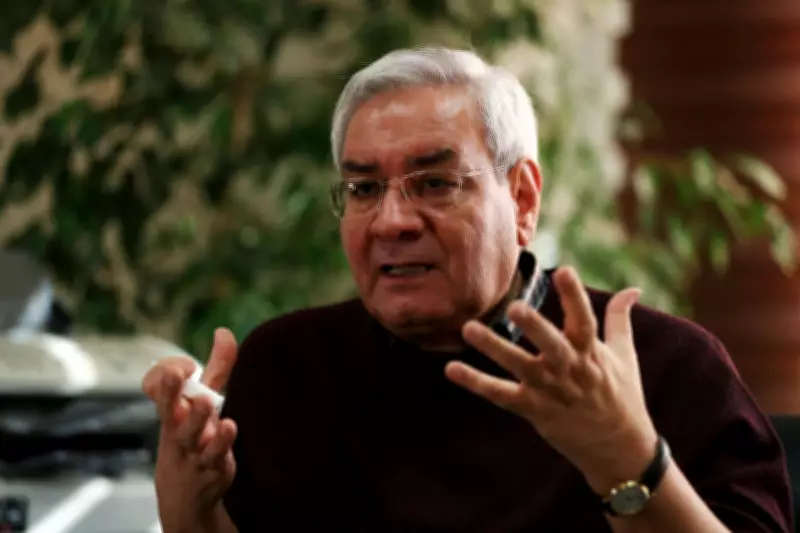
Among those reportedly ensnared in this widening net is Ebrahim Asgharzadeh, a notable historical figure who served as one of the Iranian student leaders during the 1979 seizure of the U.S. Embassy in Tehran. Asgharzadeh, who later transitioned into reformist politics, has been an intermittent critic of hardline policies while generally operating within the system's boundaries.

The Significance of Targeting Reformists
Targeting reformist figures represents a calculated escalation for several reasons:
- It demonstrates that even those with revolutionary credentials are not immune to repression if they express dissent.
- It aims to eliminate potential bridges between the establishment and protest movements.
- It sends a chilling message to other moderate voices within Iran's political spectrum.
- It reflects concerns that reformists might capitalize on public discontent to push for systemic changes.
This development occurs against a backdrop of persistent economic challenges, international isolation, and generational shifts in Iranian society that have fueled recurring protest waves. The government's response appears designed to preempt any coalescing of opposition around recognizable figures with political experience.
Broader Implications for Iranian Society
The expansion of repression to include reformist elements suggests several concerning trends:
- The space for peaceful political dissent continues to shrink dramatically.
- Historical revolutionary figures are losing their protective status when they deviate from hardline positions.
- The government is prioritizing short-term control over long-term political stability through inclusion.
- International concerns about human rights violations in Iran are likely to intensify further.
As the crackdown widens, observers note the increasing difficulty for any internal political forces to advocate for gradual change within Iran's existing power structures. This approach risks further alienating segments of the population that might otherwise support evolutionary rather than revolutionary transformation of the political system.
The targeting of figures like Asgharzadeh—who embodies both Iran's revolutionary past and its reformist potential—symbolically bridges different eras of dissent, suggesting authorities view even historically loyal critics as threats in the current climate of unrest.