Efforts to resume peace talks over the Iran war stalled after U.S. President Donald Trump cancelled a planned trip by his top envoys and the Islamic Republic said it won’t negotiate so long as it’s being threatened.
Trump on Saturday told Jared Kushner and Steve Witkoff to skip the trip to Pakistan, which is mediating talks, and later told reporters that Iran “offered a lot, but not enough.” Iranian President Masoud Pezeshkian said his nation won’t enter “imposed negotiations under threats or blockade.”
While a ceasefire has mostly held since early April, both countries are maintaining a blockade on the Strait of Hormuz, making the key energy chokepoint virtually impassable. The disruption to about a fifth of the world’s oil flows has been dubbed the biggest supply shock in history by the International Energy Agency, and the conflict has prompted cuts to global economic growth forecasts.

Trump's Social Media Statement
“Too much time wasted on traveling,” Trump wrote in a social media post. “Nobody knows who is in charge, including them. Also, we have all the cards, they have none! If they want to talk, all they have to do is call!!!”
Iranian Diplomatic Moves
Iranian Foreign Minister Abbas Araghchi met mediators in Pakistan on Saturday and left Islamabad well ahead of the planned arrival of the U.S. envoys. He said in a social media post that Iran has “yet to see if the U.S. is truly serious about diplomacy.”
Araghchi was in Oman on Sunday for talks with Sultan Haitham bin Tariq. He then returned to Islamabad, Iran’s state-run IRNA news agency said. Araghchi also spoke to the foreign ministers of Qatar and Saudi Arabia on Sunday. He intends to travel on to Russia after Pakistan, IRNA reported earlier.
U.S. Blockade Enforcement
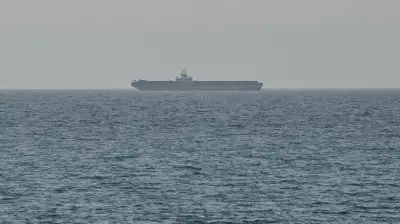
U.S. forces intercepted a sanctioned vessel in the Arabian Sea on Saturday as part of the blockade of Iran’s energy exports, according to U.S. Central Command. The U.S. deployed a Navy helicopter to intercept the vessel, which subsequently complied with U.S. military directions to turn back to Iran under escort. A total of 37 vessels have been redirected since the start of the blockade, Centcom said.
Impact on Global Energy Markets
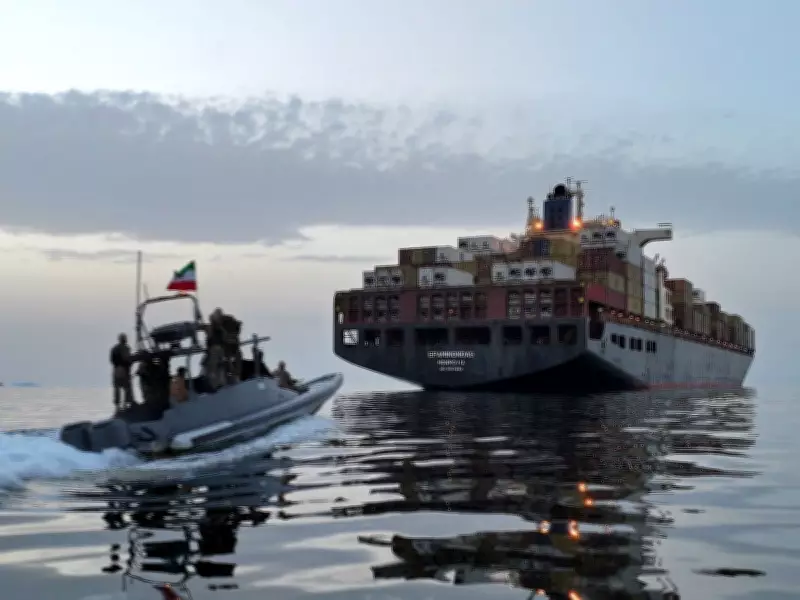
Iran is in turn imposing its own blockade of Hormuz, using its “mosquito fleet” of gunboats. Daily transits are now close to zero, compared with about 135 before the conflict began Feb. 28. The oil market faces a guaranteed supply loss of around one billion barrels — in part because of the time it would take to revive flows once the strait reopens, Vitol Group Chief Executive Officer Russell Hardy said at the FT Commodities Global Summit.
Benchmark crude-oil prices closed at US$105.33 a barrel on Friday, compared with $72.48 on the day before the conflict started. U.S. gasoline prices averaged about $4 a gallon on Friday, compared with about $3 at the end of February. The conflict has also choked off about a fifth of global liquefied-natural-gas supplies, with benchmark prices in Europe now about a third higher than prewar levels.