Iran has announced the creation of a new agency to control shipping in the strategic Strait of Hormuz, a vital waterway for global oil transport, while simultaneously reviewing a potential peace deal with the United States. The move comes amid heightened tensions between the two nations, with the U.S. threatening further sanctions and military action.
New Agency for Strait Control
The newly established agency will oversee all maritime traffic through the Strait of Hormuz, which handles about 20% of the world's oil supply. Iranian officials stated that the agency aims to ensure the security of Iranian territorial waters and prevent unauthorized passage. This development follows the closure of the strait by Iran earlier this year, which disrupted global oil markets and led to increased fuel prices.
Peace Deal Review
Simultaneously, Iran is reviewing a peace agreement with the U.S. that was proposed after months of diplomatic negotiations. The deal, which includes provisions for nuclear non-proliferation and sanctions relief, has been met with skepticism by hardliners in Tehran. Iranian Foreign Minister Hossein Amir-Abdollahian said, "We are carefully examining the terms to ensure they align with our national interests."

The U.S. State Department expressed cautious optimism but warned that any obstruction of navigation in the Strait of Hormuz would be considered a violation of international law. Secretary of State Marco Rubio stated, "We will not tolerate any attempts to disrupt global trade."
Global Implications
The creation of the agency and the peace deal review have significant implications for global energy markets and geopolitical stability. Oil prices have fluctuated in response to the news, with analysts predicting further volatility. The International Maritime Organization has called for dialogue to ensure freedom of navigation.
Experts warn that the situation could escalate if Iran imposes stricter controls, potentially leading to confrontation with the U.S. Navy, which patrols the region. The U.S. has increased its naval presence in the Persian Gulf in recent weeks.
Reactions
European Union foreign policy chief Josep Borrell urged restraint, saying, "All parties must avoid actions that could lead to unintended consequences." Meanwhile, Saudi Arabia expressed concern over Iran's move, emphasizing the need for secure shipping lanes.
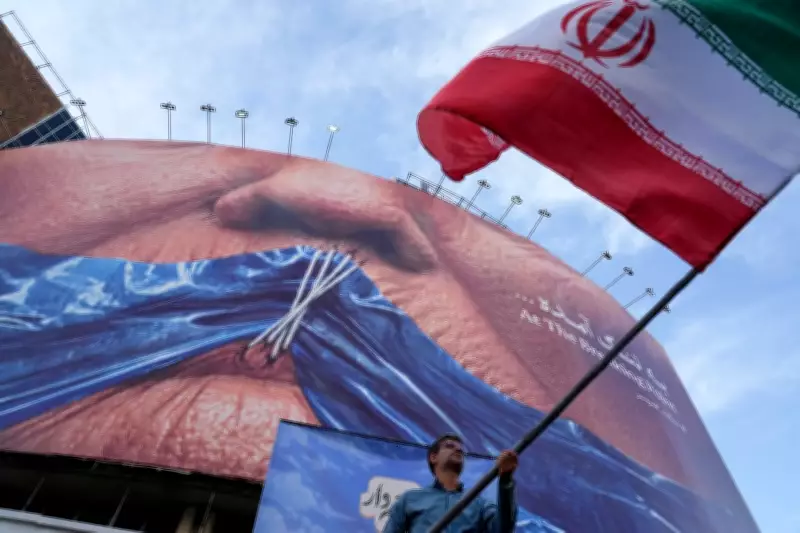
In Tehran, the new agency has been framed as a defensive measure. "We have the right to protect our waters," said Iranian President Ebrahim Raisi. However, critics argue that it is a provocation that could undermine peace efforts.
The situation remains fluid, with diplomatic channels still open. The U.S. has indicated a willingness to continue talks, but the window for a peaceful resolution may be narrowing.