Iran Calls for Human Chains Around Power Plants as Trump's Deadline Nears
In a dramatic escalation of tensions, Iran has called upon its citizens to form human chains around the nation's power plants as a protective measure. This urgent appeal comes directly in response to an impending deadline set by former U.S. President Donald Trump, who has publicly threatened to destroy Iranian energy infrastructure. The situation has intensified global concerns, with legal experts and international observers warning that carrying out such a threat could be classified as a war crime under established international law.
A Direct Response to Presidential Threats
The Iranian government's directive for civilian mobilization was issued through state media channels early Tuesday. Officials described the action as a necessary defensive strategy to safeguard critical national assets from potential external aggression. This call to action represents a significant and unprecedented step in the long-standing geopolitical conflict between Iran and the United States. The move underscores the severity with which Iranian leadership views Trump's statements, treating them not as mere rhetoric but as a credible and imminent danger to the country's electrical grid and, by extension, its civilian population.
Legal Experts Warn of Potential War Crimes
Simultaneously, a chorus of international legal scholars and human rights organizations has raised alarms. They argue that deliberately targeting civilian infrastructure, such as power plants, which are essential for public health, safety, and welfare, violates multiple protocols of the Geneva Conventions. "The intentional destruction of infrastructure vital to civilian survival, especially without clear and present military necessity, crosses a legal threshold," explained one prominent expert on international humanitarian law. Such an act could potentially be prosecuted as a war crime, carrying severe consequences under global jurisprudence. The experts emphasize that power generation facilities, while sometimes dual-use, provide a fundamental service to millions of non-combatants, making them protected sites during conflicts.

Broader Context of U.S.-Iran Relations
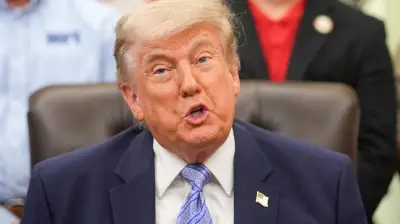
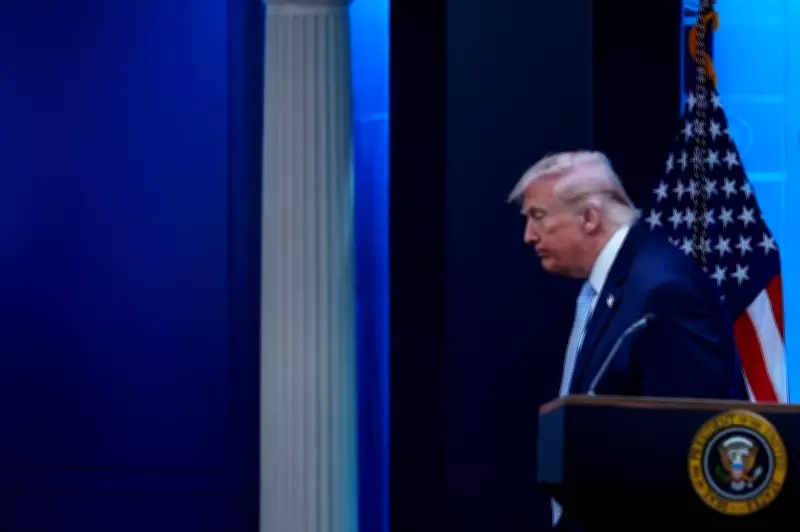
This latest development occurs against a backdrop of persistently strained relations. The threat from Trump, made during a recent press briefing at the White House, has further destabilized an already volatile diplomatic landscape. Analysts note that the call for human chains is likely intended to serve multiple purposes: as a physical deterrent, a symbolic show of national unity and resilience, and a tool to garner international sympathy and highlight the perceived recklessness of the threat. The Iranian strategy appears designed to frame any potential attack not just as an act of war against the state, but as a direct assault on its civilian populace.
The international community now watches closely as the deadline approaches. The situation presents a critical test for global norms regarding the protection of civilians in conflict and the legal boundaries of state-on-state threats. The outcome could set a significant precedent for how similar crises are managed in the future, with profound implications for international security and humanitarian law.