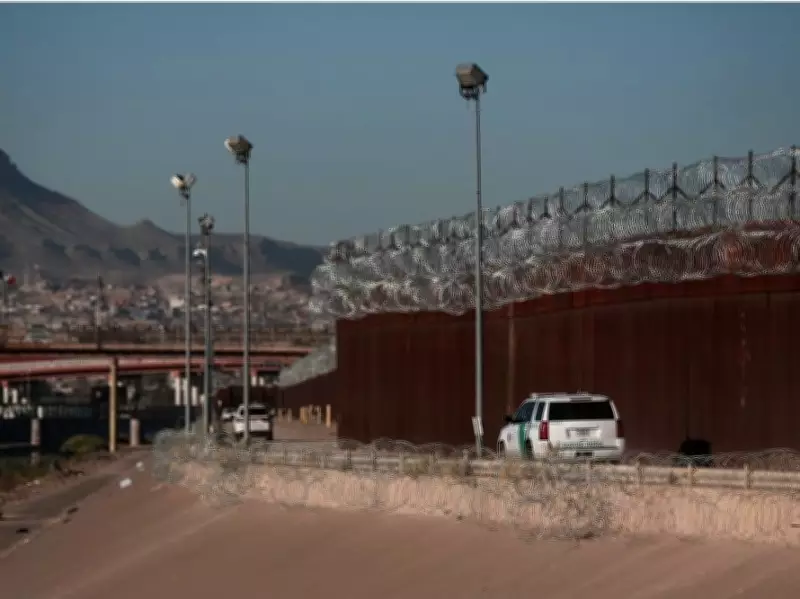
In a detailed analysis, historian Victor Davis Hanson examines the motivations behind the Biden administration's approach to the U.S. southern border, suggesting political calculations have driven policies that critics argue have led to increased illegal immigration. Hanson contends that the Left often dismisses concerns about open borders by labeling opponents as racist or as promoters of conspiracy theories like the "Great Replacement Theory."
Political Agendas and Demographic Shifts
Hanson points to historical writings by Democrats and leftists, such as books titled The Emerging Democratic Majority, which have celebrated demographic changes as a pathway to political power. He references a statement from Texas State Representative Gene Wum, who highlighted the potential for minority communities to unite and influence the country's direction, implying this aligns with broader Democratic strategies.
European Parallels and Immigration Policies
The article draws parallels to Europe, where similar patterns of immigration have altered demographics and political landscapes. Hanson cites former Spanish minister Irene Montero's comments advocating for immigration to counteract fascism and racism, illustrating what he sees as a global trend of weaponizing migration for political ends.

Under the Biden administration, Hanson notes that border enforcement was significantly reduced, with illegal entries sometimes reaching up to 10,000 per day. He argues this influx was intended to reshape electoral dynamics, potentially through compromised voting integrity or census-based reapportionment, benefiting Democratic constituencies.
Voter ID Laws and Public Opinion
Hanson highlights the Left's opposition to voter ID requirements, despite polls showing over 80% of Americans support such measures. He contrasts this with Europe, where most countries, including those with left-leaning governments, mandate IDs for voting, suggesting a double standard in Democratic rhetoric.
Long-Term Implications and Welfare State Expansion
The influx of millions of poor immigrants, Hanson asserts, could expand the welfare state, increase government size, and fuel diversity, equity, and inclusion initiatives. He references a $9-billion Somali welfare fraud case in Minnesota as an example of how immigration and welfare systems can be exploited, with authorities sometimes protecting such industries.
By the time President Donald Trump took office in 2025, Hanson estimates the foreign-born population in the U.S. had reached record highs, comprising about 16% of the total population. This shift occurred amid debates over assimilation versus ethnic separatism, challenging traditional melting-pot ideals.
Trump's Response and Future Scenarios
Hanson discusses Trump's efforts to secure the border and enforce immigration laws, which he describes as a counter-revolution to Biden's policies. He notes the difficulty of deporting millions of immigrants who have dispersed across states, often protected by left-leaning judges and officials.
In conclusion, Hanson suggests the Left might only oppose immigration reform if future immigrant groups, such as the 55% of Hispanic males who voted for Trump in 2024, start voting based on issues beyond ethnic solidarity or Democratic coercion. This, he argues, could lead to a swift closure of the border by those currently advocating for open policies.