Community Organizations Call for $2.6 Billion Increase in Federal Funding During Pre-Budget Consultations
As the federal government conducts its annual pre-budget consultations, community groups nationwide are making a unified plea for a substantial funding boost. These organizations argue that an additional $2.6 billion is urgently required to meet escalating demands for essential social services, from food security to housing support.
Rising Needs and Strained Resources
Advocates highlight that existing funding levels have failed to keep pace with inflation and population growth, leading to severe strains on community-based programs. Food banks, homeless shelters, and mental health services report unprecedented demand, with many operating at or beyond capacity. The requested funds aim to bridge this gap, ensuring vulnerable populations receive adequate assistance.
Specific Allocation Proposals
Community leaders have outlined detailed proposals for the $2.6 billion allocation, emphasizing targeted investments in key areas:

- Housing and Homelessness: $1 billion to expand affordable housing initiatives and support encampment management strategies, similar to recent approaches unveiled in Montreal and Longueuil.
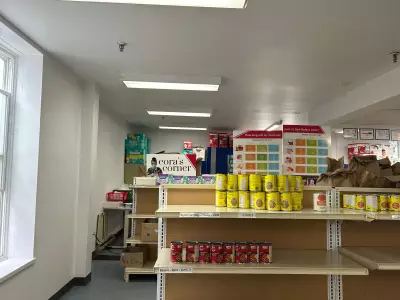
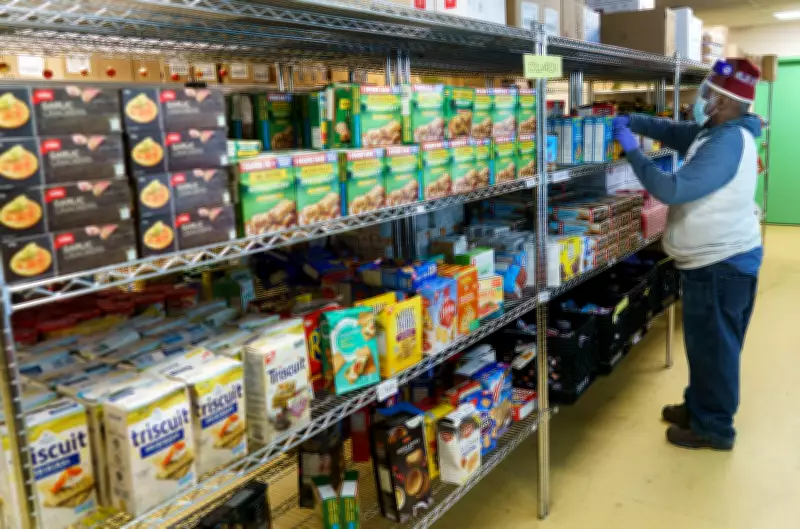
- Food Security: $600 million to bolster food bank operations and nutrition programs, addressing issues like those seen in Montreal where shelves are frequently emptied.
- Healthcare Access: $500 million for community health centers, including mental health and addiction recovery services, amid concerns over systemic pressures.
- Social Infrastructure: $500 million for childcare, senior support, and youth programs, enhancing long-term community resilience.
Broader Economic and Social Context
This funding request comes against a backdrop of economic uncertainty, marked by international trade tensions and domestic policy shifts. The call for increased investment reflects a growing consensus that robust social services are vital for economic stability and public well-being. Community groups stress that without this infusion, service cuts and longer wait times will disproportionately affect low-income and marginalized Canadians.
Government Response and Next Steps
Federal officials have acknowledged the submissions but have not yet committed to the full $2.6 billion. The budget, expected later this year, will reveal whether these appeals translate into concrete financial commitments. Advocates plan to continue lobbying through public campaigns and direct engagement with policymakers, emphasizing the urgent need for action to prevent further deterioration of social safety nets.
As consultations proceed, the outcome will significantly impact communities relying on these vital services, shaping the nation's approach to social equity and economic recovery in the coming fiscal period.