A new federal report reveals the Government of Canada continues to fall short in hiring people with disabilities into the public service, maintaining a persistent gap between hiring rates and workforce availability.
The Persistent Representation Gap
According to the Public Service Commission's most recent annual report, only 8 per cent of new hires in the 2023-2024 fiscal year had a disability. This figure lags significantly behind the estimated workforce availability of people with disabilities, which sits at 12 per cent. The commission, a central agency tasked with ensuring merit-based and representative hiring, highlighted this ongoing shortfall.
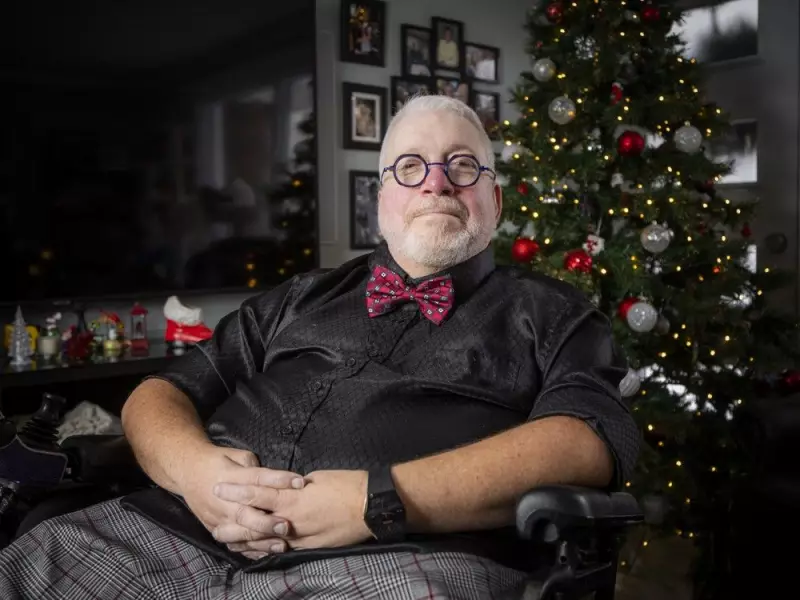
Max Brault, a former public servant, author, and disability advocate, expressed frustration at the wide gap. "Most accommodations are not really expensive as well, right? Most of them are just common day everyday features," Brault stated. He believes the issue reflects a deeper need for attitudinal change within the public service.

A Call for Cultural Shift
Brault compared current attitudes toward workers with disabilities to outdated perceptions of women in the workforce post-Second World War. "With people with disabilities, people have this attitude that they can't do the job," he said. "It's kind of insulting that way. People with disabilities are highly capable, highly skilled and competent. We just need to give them that opportunity to do so."
In a statement, Magdalena Bober, a spokesperson for the Public Service Commission, acknowledged the ongoing challenge. "There continues to be a gap in representation for persons with disabilities," Bober said. She noted that since the launch of the commission's accessibility strategy in 2019, the federal government has hired nearly 7,000 people with disabilities, surpassing its five-year goal of 5,000.
Uncertainty Amid Public Service Cuts
Despite this progress, the report raises concerns about the future. It remains unclear how recent and potential future cuts to the public service will impact the hiring of equity-seeking groups, including people with disabilities. Bober indicated that deputy heads must continue to monitor representation as they manage workforce reductions.
The commission asserts it is continuing outreach efforts to attract diverse candidates. However, advocates like Brault stress that meeting numerical targets is only part of the solution, and a fundamental shift in workplace culture is essential to achieving true inclusion and equity in federal employment.