Federal Firearms Buyback Program Falls Short of Target, Collects 67,000 Guns
The federal government has announced that more than 67,000 firearms have been registered for compensation under its controversial buyback program for banned weapons. This figure, disclosed by Public Safety Canada on Wednesday, falls significantly short of the 136,000 weapons that department officials had budgeted for, highlighting a gap in participation.
Program Details and Compensation Window
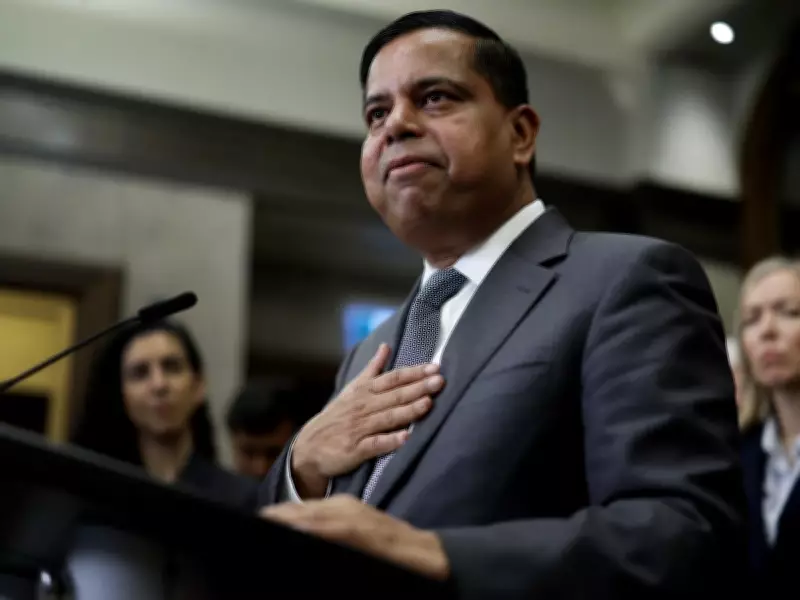
The compensation window for the program, which opened in mid-January, closed on Tuesday for owners of over 2,500 makes and models of firearms prohibited by the Liberal government since 2020. Public Safety Minister Gary Anandasangaree, speaking at a press conference on Parliament Hill in Ottawa, emphasized the government's commitment to the initiative despite the lower-than-expected turnout.
The registered guns come from nearly 38,000 different firearms owners, according to officials. Public Safety Canada noted that it is still completing declarations for individuals who opened registration accounts but may have encountered technical issues, as well as for military and law enforcement members serving outside the country.

Assessment and Collection Timeline
Officials will now begin assessing each declaration, with actual collection of the weapons scheduled to start later this spring and continue through early fall 2026. Prime Minister Mark Carney, speaking the day before the announcement, acknowledged the discrepancy, stating there was "obviously a gap" between the number of firearms declared and the budgeted compensation figures.
The program aims to remove prohibited firearms from circulation as part of broader gun control efforts, but the shortfall raises questions about its effectiveness and public engagement. Critics have pointed to logistical challenges and opposition from some gun owners as potential factors contributing to the lower registration numbers.
As the government moves forward with the collection phase, stakeholders will be watching closely to see how the initiative impacts public safety and whether adjustments are made to address participation gaps in future policy implementations.