Federalist Veterans Mobilize Against Alberta Separatist Movement
Alberta's separatist movement now faces its most formidable opponents yet: battle-hardened federalist veterans who have successfully defended Canadian unity in previous constitutional crises. For too long, separatist voices have dominated the conversation in Western Canada, operating under the assumption that patriotic Canadians would remain passive observers to their agenda.
Historic Figures Enter the Fray
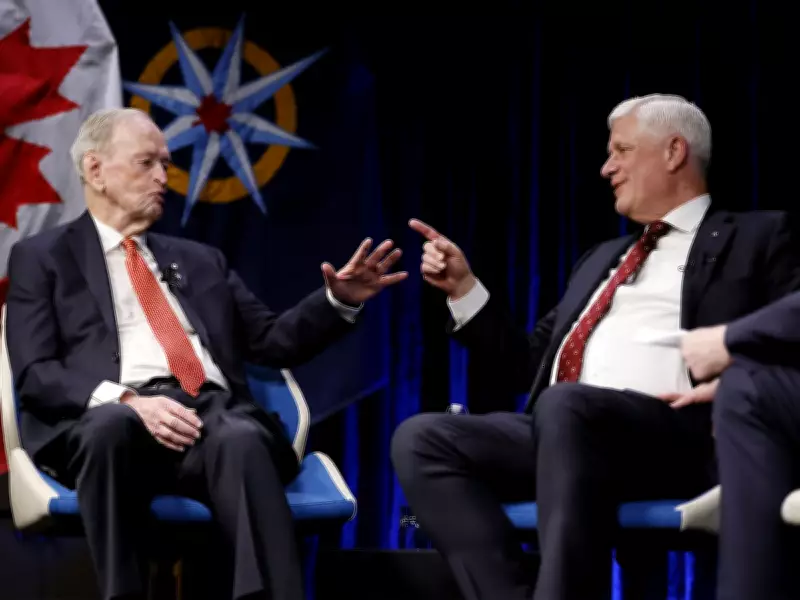
Former prime ministers Stephen Harper and Jean Chrétien have emerged as powerful voices against the growing separatist sentiment in Alberta. Their intervention marks a significant escalation in the national unity debate, bringing decades of political experience to bear on contemporary challenges to Confederation.
Chrétien, who famously fought the razor-thin 1995 Quebec separation referendum, expressed bewilderment at current developments in Alberta politics. "I don't know what the hell is happening in Alberta," he remarked, drawing parallels between current western alienation and past Quebec sovereignty movements.

The Clarity Act and Constitutional Realities
Former Liberal leader Stéphane Dion, architect of the landmark Clarity Act following the 1995 referendum, has been particularly vocal about Premier Danielle Smith's approach to separatist elements within her province. Dion's legislation established clear procedures for any province considering separation—procedures that Alberta separatists often oversimplify or ignore in their rhetoric.
"She needs to stand against 'separatist blackmail,'" Dion told the CBC, questioning Smith's commitment to national unity. "Is she indifferent about the fact that Alberta is in Canada or not? Does she care? And if she cares, then she should say so."
Quebec Federalist Tradition Confronts Western Separatism
The current confrontation represents a fascinating historical parallel: Quebec federalists who successfully defended national unity in the 20th century now challenging western separatists in the 21st. These francophone federalists bring particular credibility to the debate, having withstood decades of pressure from Quebec sovereigntists.
This tradition traces back to Prime Minister Pierre Trudeau, whose legendary 1980 speech at Montreal's Paul Sauvé arena helped turn public opinion during the Quebec referendum campaign. Trudeau's emotional defense of Canada—"We won't let it die. Our answer is: NO"—resonated powerfully then and continues to inspire federalists today.
The Current Political Landscape
Alberta separatists have enjoyed considerable visibility in recent years, often employing provocative rhetoric about border blockades and independence. Yet Premier Smith, while professing support for a united Canada, has offered little substantive opposition to these elements within her political coalition.
This creates a peculiar dynamic where separatists who demand respect from provincial leadership show little respect in return, criticizing Smith for not fully endorsing their cause. The situation highlights the complex political calculations surrounding western alienation and national unity.
A Battle of Experience Versus Momentum
The entry of veteran federalists into the Alberta separatist debate represents more than just political commentary—it signals a strategic shift in how national unity will be defended. These figures bring not only political credibility but also practical experience from previous constitutional battles.
Their involvement suggests that the coming months may see intensified debate about Alberta's place in Confederation, with historical precedents from Quebec's sovereignty movements providing both warnings and potential pathways forward. As separatist voices grow louder in Western Canada, they now face opponents who have successfully defended national unity before and appear ready to do so again.