Houston Transplant Surgeon Faces Federal Indictment Over Alleged Record Falsification
Federal prosecutors in Houston have announced the indictment of a prominent transplant surgeon on charges of falsifying medical records for five patients, rendering them ineligible to receive potentially life-saving liver transplants. Dr. John Stevenson Bynon Jr., a key figure in the city's medical community, was indicted by a grand jury last month on five counts of making false statements relating to healthcare matters.
Allegations of Betrayal in Medical Care
According to the indictment made public on Thursday, Dr. Bynon is accused of making false statements while serving as the director of abdominal organ transplantation and surgical director for liver transplantation at Memorial Hermann Health System in Houston. The court documents reveal a disturbing pattern: patients, their families, and other members of their medical care teams were allegedly unaware that Bynon had entered false information into their records.
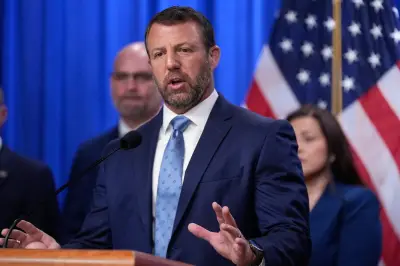
"Dr. Bynon is alleged to have betrayed the most sacred duty of a medical professional — to heal," stated U.S. Attorney Nicholas J. Ganjei in a formal release. "He stole years and hope from those who trusted him most by falsifying records and preventing patients from receiving organ transplants."

Tragic Outcomes for Patients
The human cost of these alleged actions is starkly detailed in the indictment. Of the five patients affected:
- Three patients died while under Bynon's care, with their eligibility for donor organs severely restricted or eliminated due to the falsified records.
- Two other patients were able to receive successful liver transplants only after seeking care at different hospitals.
The indictment specifies that Bynon allegedly altered records between March 2023 and March 2024. One patient was made ineligible for approximately 149 days and died in February 2024. Another was ineligible for about 69 days and died during a surgery intended to provide a new liver in December 2023. A third patient, who required urgent liver transplantation, died just two days after Bynon allegedly entered false donor matching criteria that "severely restricted" or made the patient "functionally ineligible" for a lifesaving organ offer.
Defense and Institutional Fallout
Following his initial court appearance on Thursday afternoon, Bynon's attorney, Samy Khalil, spoke to reporters outside the federal courthouse. Khalil portrayed his client as a highly skilled surgeon with over 2,000 transplants performed during a 40-year career.
"Nothing he did was unlawful. Everything that he did was lawful and in good faith," Khalil asserted. "We look forward to clearing his name in a court of law and educating, frankly, the government on the medical concepts that undergird this totally, totally misguided prosecution."
The indictment and accompanying news release from the U.S. Attorney's Office did not detail a potential motive for the alleged actions. Angela Dodge, a spokeswoman for the office, declined to provide further comment.
The allegations have triggered significant institutional consequences. After the accusations against Bynon first became public in April 2024, Memorial Hermann Health System took the drastic step of shutting down its liver and kidney transplant program. The program was reactivated a year later, but the reputational damage was severe.
Ongoing Legal and Regulatory Repercussions
The legal fallout extends beyond the criminal case. Families of several patients who died while awaiting liver transplants have filed civil lawsuits against Bynon in Houston courts, seeking answers about whether their loved ones were denied transplants due to his alleged actions. These lawsuits remain pending.
If convicted on all counts, Bynon faces a potential sentence of up to five years in federal prison for each count of making false statements.

In a significant regulatory development from February 2025, the Organ Procurement and Transplantation Network—which manages the national organ donation system—declared Memorial Hermann Health System to be a "member not in good standing." This designation represents the most severe action the network can take, signaling to the public that a member institution has demonstrated a serious lapse in patient safety or quality of care standards.
Memorial Hermann Health System and UTHealth Houston, Bynon's employer, did not immediately respond to requests for comment on the indictment. The case continues to unfold, raising profound questions about medical ethics, patient trust, and oversight within the high-stakes field of organ transplantation.