Multiple federal ridings across Canada are set to hold byelections after recent resignations and vacancies created opportunities for new representatives. The upcoming contests could shift the balance of power in the House of Commons, with key battlegrounds in Ontario, Quebec, and British Columbia.
Background and Triggering Events
The byelections are triggered by MPs stepping down for various reasons, including retirement, appointment to other roles, or personal circumstances. As of July 2026, at least five ridings are without a sitting MP, according to Elections Canada data. The vacancies include seats formerly held by Liberal, Conservative, and NDP members.
In Ontario, the riding of Ottawa—Vanier became vacant after former MP Mona Fortier resigned to pursue a provincial role. Similarly, in British Columbia, the riding of Vancouver Granville is open following the resignation of Liberal MP Taleeb Noormohamed. Quebec's Laurier—Sainte-Marie riding is also vacant after NDP MP Alexandre Boulerice stepped down for health reasons.

Strategic Importance and Party Dynamics
These byelections are critical for Prime Minister Mark Carney's Liberal government, which holds a slim minority. The Conservatives, led by Pierre Poilievre, are expected to mount strong campaigns in several ridings, particularly in Ontario and British Columbia. The NDP and Bloc Québécois are also targeting winnable seats.
According to political analyst Éric Grenier of CBC News, the Liberals are likely to face tough battles in ridings where they won by narrow margins in the 2025 general election. "The byelections will be a test of Carney's popularity and the government's performance on key issues like the economy and health care," Grenier said.
Timeline and Process
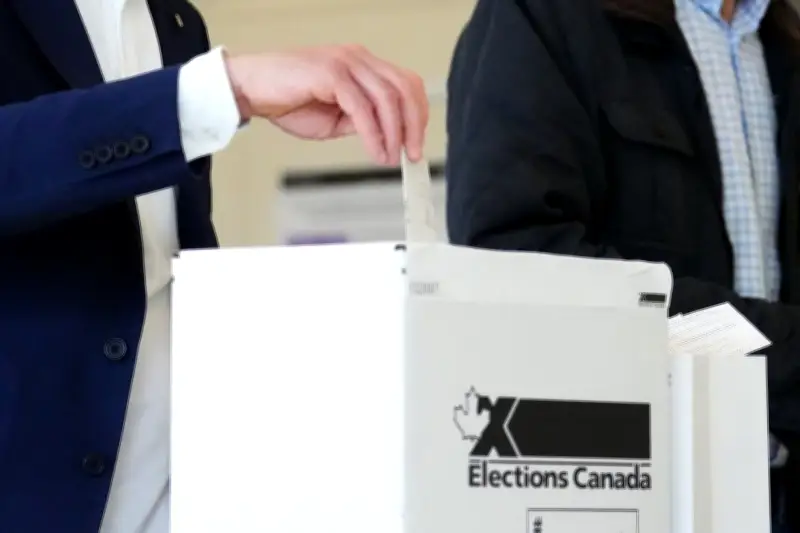
Prime Minister Carney has not yet announced the dates for the byelections, but they must be called within six months of a seat becoming vacant. The writs are typically issued by the Chief Electoral Officer after a request from the Prime Minister's Office. Elections Canada has confirmed that preparations are underway for multiple byelections, possibly to be held on the same day to reduce costs.
In a statement, Elections Canada spokesperson Natasha Nunn said: "We are ready to administer byelections as soon as they are called. Our priority is ensuring a fair and accessible voting process for all Canadians."
Key Ridings to Watch
Among the most closely watched ridings is Ottawa—Vanier, a historically Liberal stronghold that has been held by the party for decades. However, the Conservatives have been investing resources in the area, hoping to flip the seat. In British Columbia, Vancouver Granville has been a swing riding, alternating between Liberal and Conservative control. The NDP is also targeting Laurier—Sainte-Marie in Quebec, where they have a strong base.
Other ridings with pending byelections include Winnipeg—St. Boniface in Manitoba, where Liberal MP Dan Vandal resigned, and Halifax in Nova Scotia, where Liberal MP Andy Fillmore stepped down. These races will provide early indicators of voter sentiment ahead of the next general election.
Impact on Parliament
The outcomes of these byelections could alter the composition of Parliament, affecting the government's ability to pass legislation. Currently, the Liberals hold 155 seats, the Conservatives 119, the Bloc Québécois 32, the NDP 25, the Greens 2, and there are 4 independents. With five vacancies, the Liberals need to hold their seats to maintain their minority status.
If the Conservatives manage to pick up even one or two seats, it could increase pressure on Carney's government. Conversely, if the Liberals retain all their seats, it would be seen as a vote of confidence in the administration.
Voter Turnout and Logistics
Byelections typically see lower voter turnout than general elections, often around 30-40%. Elections Canada is encouraging eligible voters to ensure their registration is up to date and to plan to vote on election day or through advance polls. Special voting arrangements are available for Canadians living abroad or with disabilities.
The cost of a byelection is estimated at around $2 million per riding, according to Elections Canada. Holding multiple byelections on the same day could save taxpayer money and streamline the process.