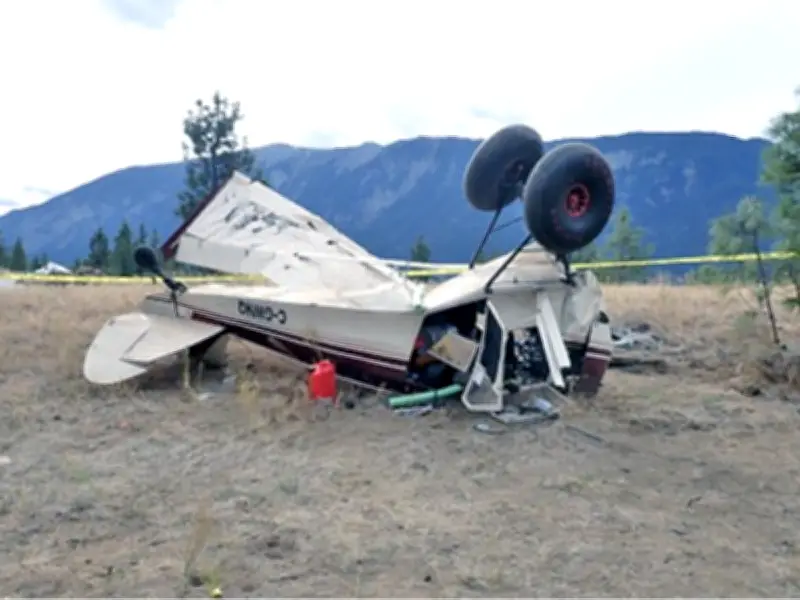
The Transportation Safety Board of Canada has determined that a recurring fuel pressure drop caused the fatal crash of an amateur-built Bushmaster Super 22 at Lillooet Airport on September 24, 2025. The pilot, the sole occupant, died on impact. The TSB also highlighted that recent modifications by the pilot and registered owner, which were not inspected, likely compromised the aircraft's safety.
Crash Details and Sequence of Events
On the afternoon of September 24, 2025, a privately licensed pilot departed from Lillooet Municipal Aerodrome bound for Chilliwack in a 1988 Bushmaster Super 22. The aircraft carried only the pilot, his hunting equipment, and venison from a prior hunting trip. While still on the runway, fuel pressure and engine rpm dropped momentarily but recovered. The pilot lifted off and climbed to about 105 metres (345 feet). When fuel pressure dropped again, the engine lost power.
The pilot turned back toward the runway as the Bushmaster lost altitude. At approximately 11 metres (36 feet) above ground, the plane struck trees and crashed about 200 metres (656 feet) from the runway end. The aircraft was destroyed and the pilot was killed instantly.

Pilot Experience and Aircraft Background
The pilot had about 565 total flight hours, with approximately 30 hours in the Bushmaster, which he purchased in 2024. The TSB noted that as an amateur-built aircraft, the Bushmaster held a flight permit with no expiry date and was not subject to routine inspections under its certification.
Uninspected Modifications
The pilot maintained and modified the aircraft himself, according to the TSB report released on July 8, 2026. After buying the plane as a float plane, he installed a new propeller, electronic fuel injection and ignition systems, an autopilot system, and a Garmin flight display, among other changes. While major modifications to amateur planes must follow approved procedures, the Bushmaster was not type-certified and was exempt from reporting equipment changes to Transport Canada. However, modifications affecting structural integrity, geometry, performance, or maximum permissible takeoff mass require an inspector's check.
“Some of the modifications made to the [Bushmaster] after the flight permit was issued likely affected the aircraft’s performance, power plant operation, and flight characteristics,” the TSB said. “There was no record of these modifications being inspected by a Transport Canada representative or reported to the [transportation] minister before flight.”
Fuel Pressure Issues
After modifications in June 2025, the aircraft began experiencing significant momentary drops in fuel pressure during operation, continuing into early September 2025. The primary electric fuel pump repeatedly lost pressure, requiring the backup pump to activate. These defects were never recorded in the journey log.
The TSB concluded that the fuel pressure drops led directly to the engine power loss and subsequent crash. The investigation underscored the risks of uninspected modifications on amateur-built aircraft.