Europe's Far-Right Movements Rally After Fatal Attack on French Student
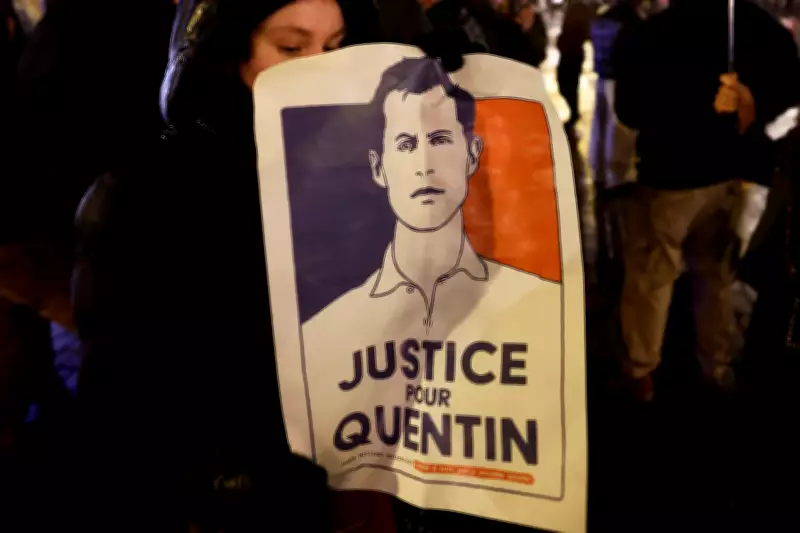
The violent death of a young far-right activist in France has become a rallying cry for extremist groups across Europe, exposing deep-seated political divisions on the continent. Quentin Deranque, a 23-year-old student, died following a brutal street beating during clashes between far-left and far-right militants in Lyon last month.
A Tragic Incident Sparks Political Solidarity
On February 18, 2026, Deranque succumbed to injuries sustained during violent confrontations between opposing political factions. The incident occurred as tensions between extremist groups reached a boiling point in several French cities. Witnesses described chaotic scenes as militants from both sides engaged in physical altercations that turned deadly.
In the weeks since Deranque's death, far-right organizations throughout Europe have seized upon the tragedy to strengthen their networks and amplify their messaging. From Germany to Italy, Hungary to Poland, sympathetic groups have organized memorial events and issued statements framing Deranque as a martyr for their cause.

Growing Political Polarization in France
French authorities have expressed concern about the escalating violence between political extremists. "This tragic loss of life underscores the dangerous polarization affecting our society," commented a senior security official who requested anonymity. "We are witnessing increasingly frequent and violent confrontations between ideological opponents."
The incident has particularly resonated within France's student population, where political activism has traditionally been vibrant but is now showing signs of radicalization at both ends of the spectrum. University campuses have become flashpoints for ideological conflicts that sometimes spill into physical violence.
Broader Implications for European Politics
Political analysts note that Deranque's death comes at a sensitive time for European politics, with far-right parties gaining ground in several national elections. "This incident provides a powerful symbolic tool for far-right movements seeking to portray themselves as victims of political violence," explained Dr. Marie Leclerc, a political scientist specializing in European extremism. "It allows them to frame their struggle as one of self-defense against what they characterize as left-wing aggression."
The solidarity emerging among Europe's far-right factions represents a concerning development for mainstream political parties and security services. Intelligence agencies across the continent are monitoring increased communication and coordination between previously disparate extremist groups.
Response from French Authorities
French police have launched a comprehensive investigation into the circumstances surrounding Deranque's death. Several individuals have been questioned in connection with the incident, though no formal charges have been announced as of early March 2026. The investigation is complicated by conflicting witness accounts and the chaotic nature of the confrontation.
Government officials have called for calm while urging political groups to engage in dialogue rather than violence. "France has a long tradition of passionate political debate, but we must never allow differences of opinion to escalate into physical confrontation," stated Interior Minister Jacques Moreau during a press briefing.
As memorials for Deranque continue across France and beyond, the incident serves as a stark reminder of the volatile state of European politics and the human cost of ideological extremism. The coming months will reveal whether this tragedy leads to further polarization or becomes a catalyst for renewed efforts to bridge political divides.