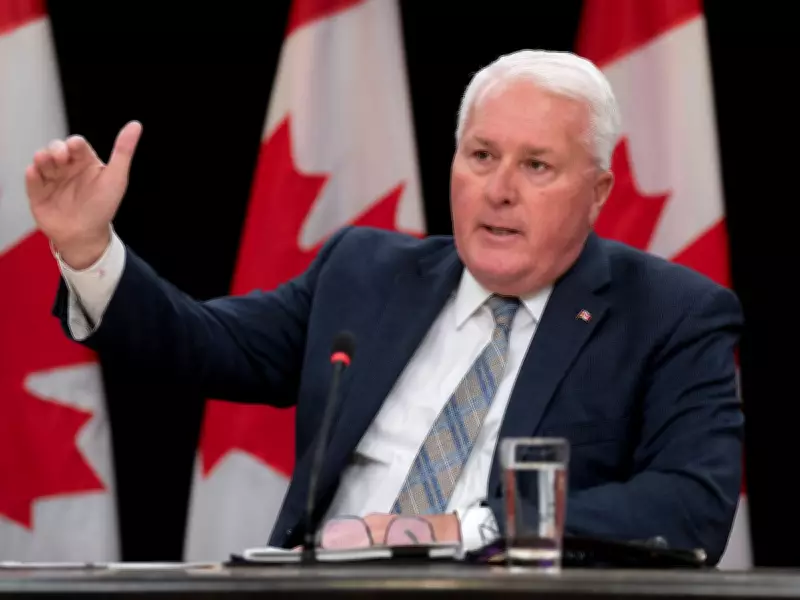
A parliamentary ethics committee has recommended that Prime Minister Mark Carney be required to sell all his controlled assets within 60 days of assuming office, but the proposal faces significant political obstacles and is unlikely to become law.
Background of the Report
The House of Commons standing committee on access to information, privacy and ethics released its review of the Conflict of Interest Act on Thursday, containing 20 recommendations to strengthen the law. Many of these recommendations are specifically tailored to address Carney's extensive business ties and potential conflicts of interest, given his role in setting policies that could affect companies he has interests in.
Conservative MP John Brassard, chair of the committee, stated that most members agreed on the need for stricter rules for the prime minister compared to other MPs. “Individuals with greater decision-making authority should be held and must be held to higher standards,” he said.

Key Recommendations
The committee is calling for amendments to the Conflict of Interest Act that would require the prime minister to sell all controlled assets within 60 days of taking office. Currently, the law allows reporting public office holders, including cabinet ministers and parliamentary secretaries, to either sell their assets or place them in a blind trust. Carney chose the latter when he became prime minister.
Opposition parties have argued that a blind trust is insufficient, particularly given Carney's recent role as chairman of Brookfield Asset Management, a Wall Street giant overseeing over US$1 trillion in assets. Carney continues to hold options and deferred shares linked to the firm's performance, raising concerns about potential conflicts in government decisions affecting Brookfield and its subsidiaries.
The report states that “the prime minister, as a reporting public office holder, is fully divested from their controlled assets through sale, since placement in a blind trust does not constitute true divestment.”
Political Divisions
The recommendations were supported by Conservative and Bloc Québécois MPs, who currently hold a majority on the committee. However, Liberal MPs co-signed a dissenting report rejecting the recommendations. Committee vice-chair, Liberal MP Linda Lapointe, called the report “very partisan” and “created to target a single person,” warning that “we will not let it go through.”
The committee heard from a wide range of witnesses, including governance scholars, lawyers, ethics specialists, senior public servants, and political staff. Despite the testimony, the Liberal minority government is unlikely to adopt the recommendations, meaning the proposed changes will likely not be implemented.
Carney's Conflict-of-Interest Screen
Carney's extensive conflict-of-interest screen, managed by senior aides including Clerk of the Privy Council Michael Sabia, covers over 100 corporate entities. Sabia told the committee he sold his own Brookfield shares to “better manage” the prime minister’s screen, highlighting the complexity of the situation.
The report underscores the ongoing debate about the adequacy of conflict-of-interest rules for high-ranking officials, but the political reality suggests that Carney will not be forced to sell his assets anytime soon.