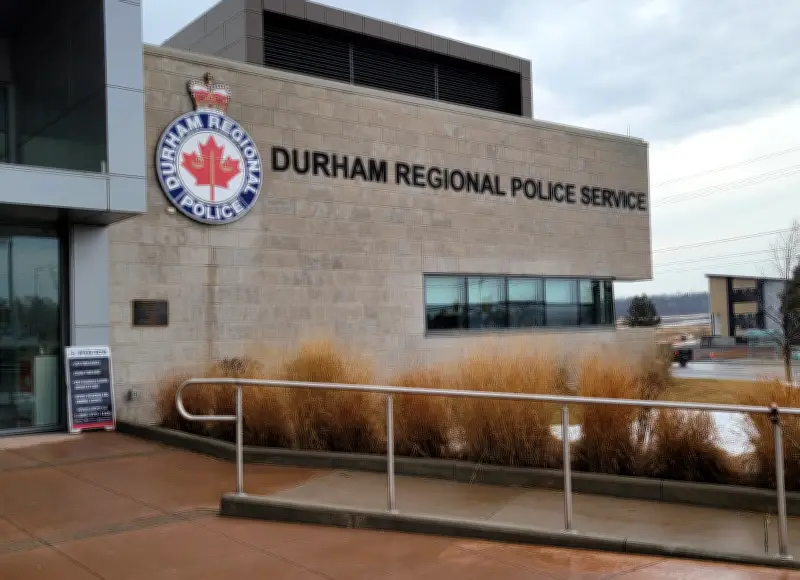
Durham Regional Police are preparing to disclose the outcomes of a major investigation into what authorities describe as 'criminal tourism' networks. The probe, which has been ongoing for several months, focuses on organized groups that exploit Canada's visa and immigration systems to commit theft, fraud, and other crimes across the region.
Investigation Details
According to law enforcement sources, the operation targeted individuals and cells that enter Canada under the guise of tourism but engage in criminal activities. These groups are believed to have operated in multiple jurisdictions, using stolen identities and fraudulent documents to facilitate their schemes.
Police have not yet released specific numbers of arrests or charges, but the upcoming announcement is expected to detail the scope of the network and its impact on local communities. The investigation involved collaboration with federal agencies, including the Canada Border Services Agency and the Royal Canadian Mounted Police.

Community Impact
Residents of Durham Region have reported increased incidents of break-ins, vehicle thefts, and retail fraud in recent years, which authorities suspect are linked to these criminal networks. The police probe aims to disrupt these operations and restore public confidence.
“This investigation sends a clear message that we will not tolerate organized crime exploiting our immigration systems,” said a spokesperson for Durham Regional Police. “We are committed to protecting our communities and ensuring that those who engage in criminal tourism face justice.”
Next Steps
The full findings will be presented at a press conference scheduled for later today. Police will also outline measures to prevent future occurrences, including enhanced screening processes and cross-border cooperation.
This development comes amid broader national concerns about criminal tourism, with similar probes underway in other Canadian provinces. Experts warn that these networks are highly adaptable and require ongoing vigilance from law enforcement and policymakers.